An intimate portrait of Colorado’s West End and the communities shaped by it.
A story rooted in place, persistence, and shared stewardship.
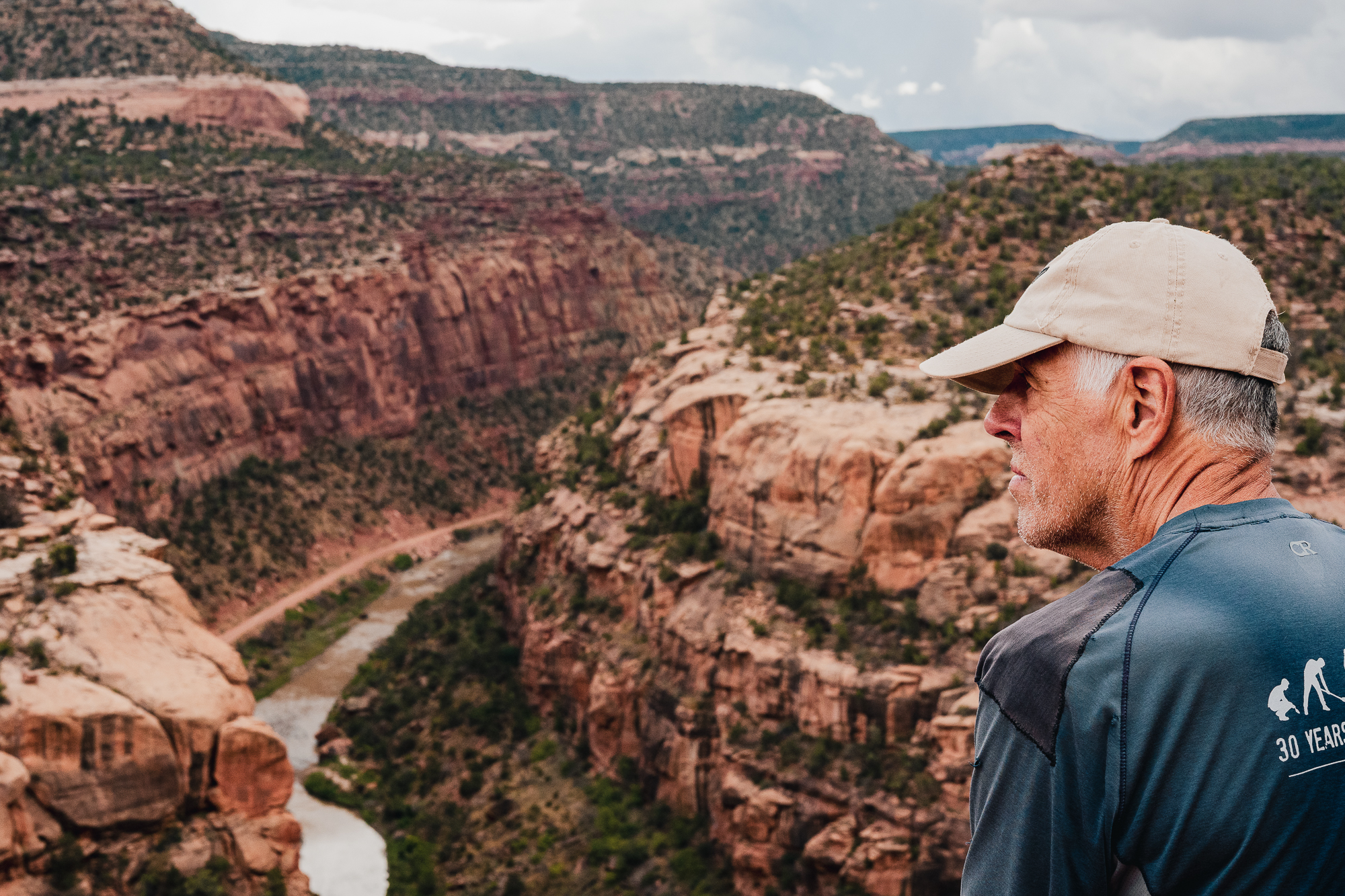
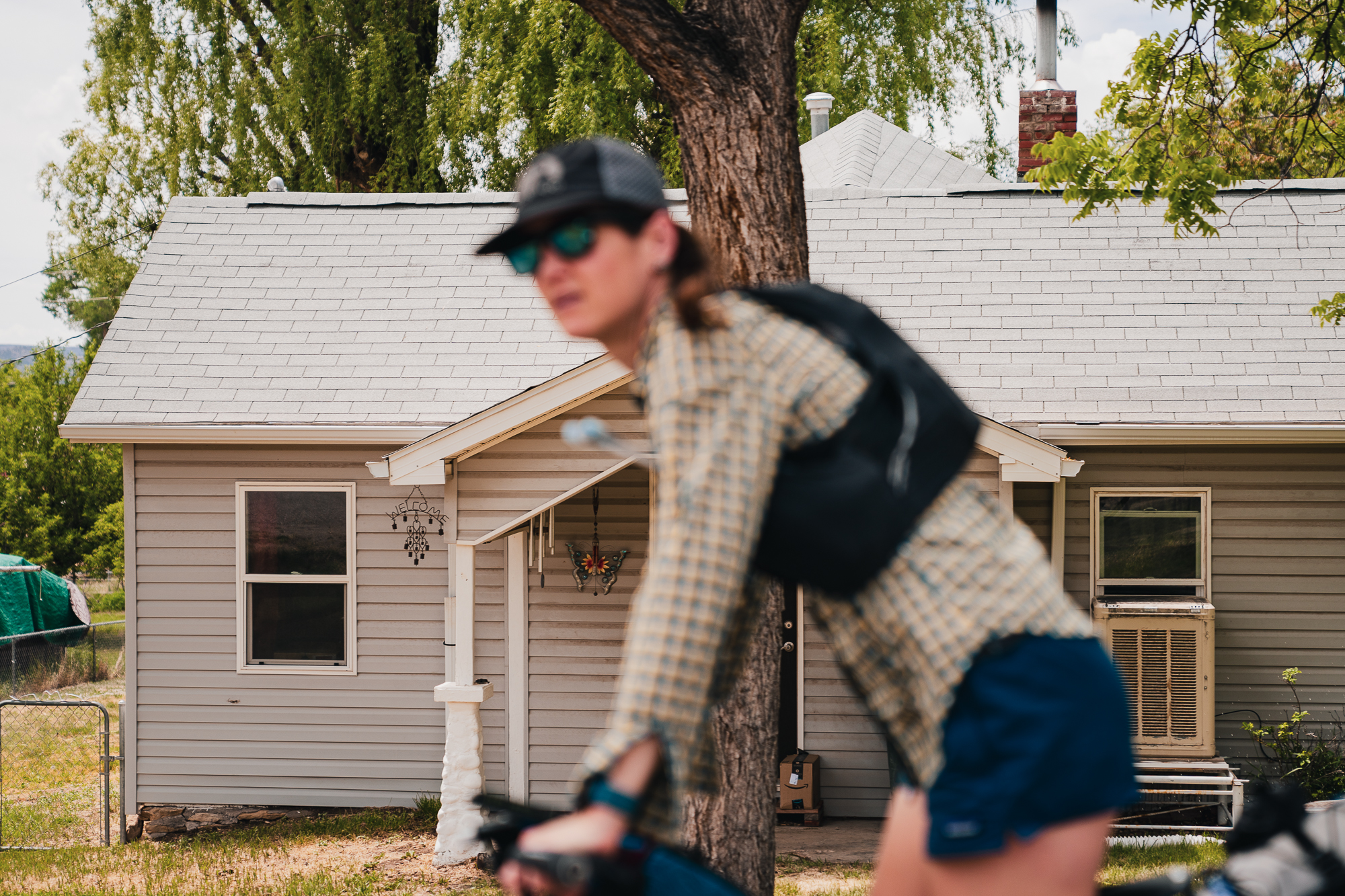
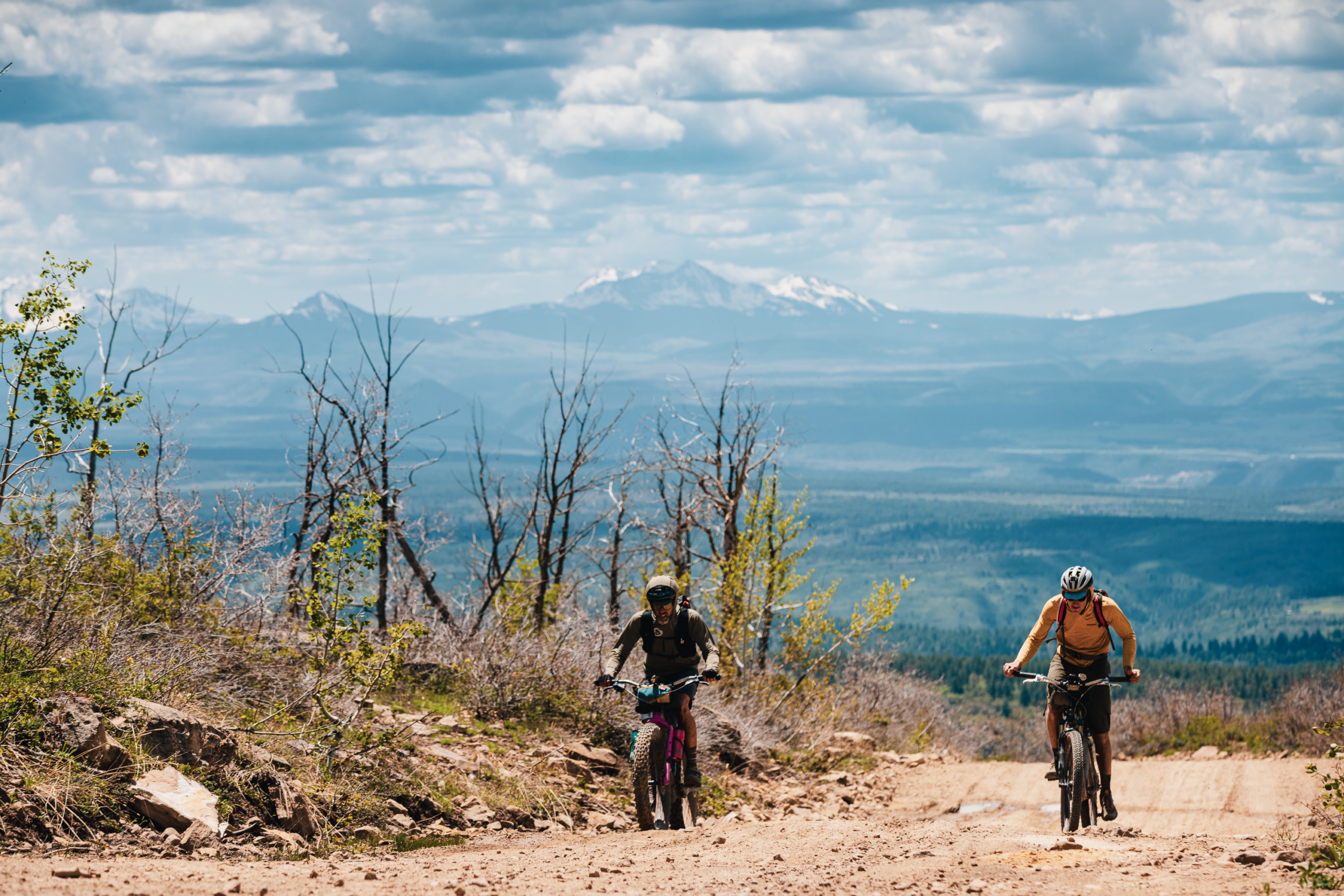
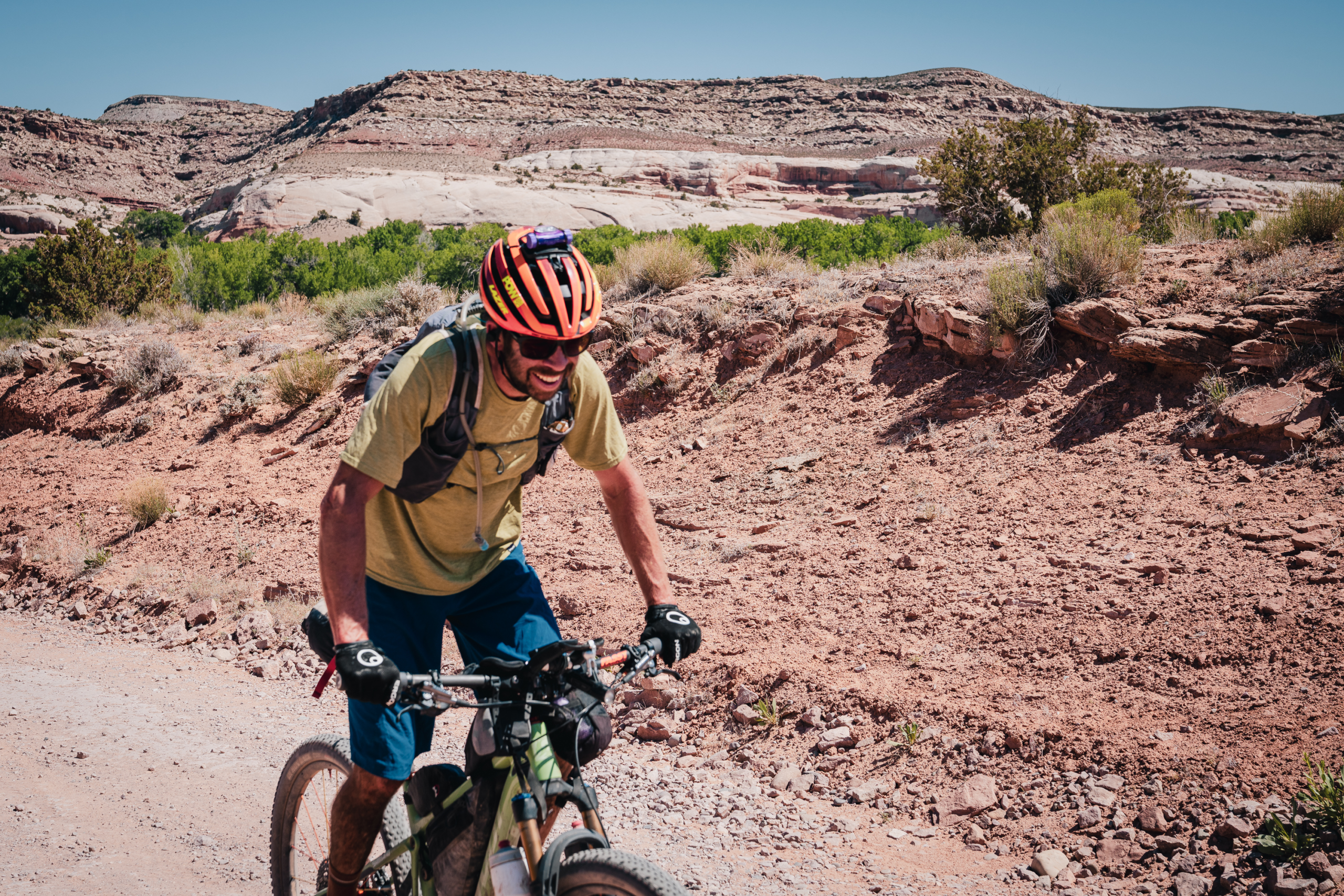
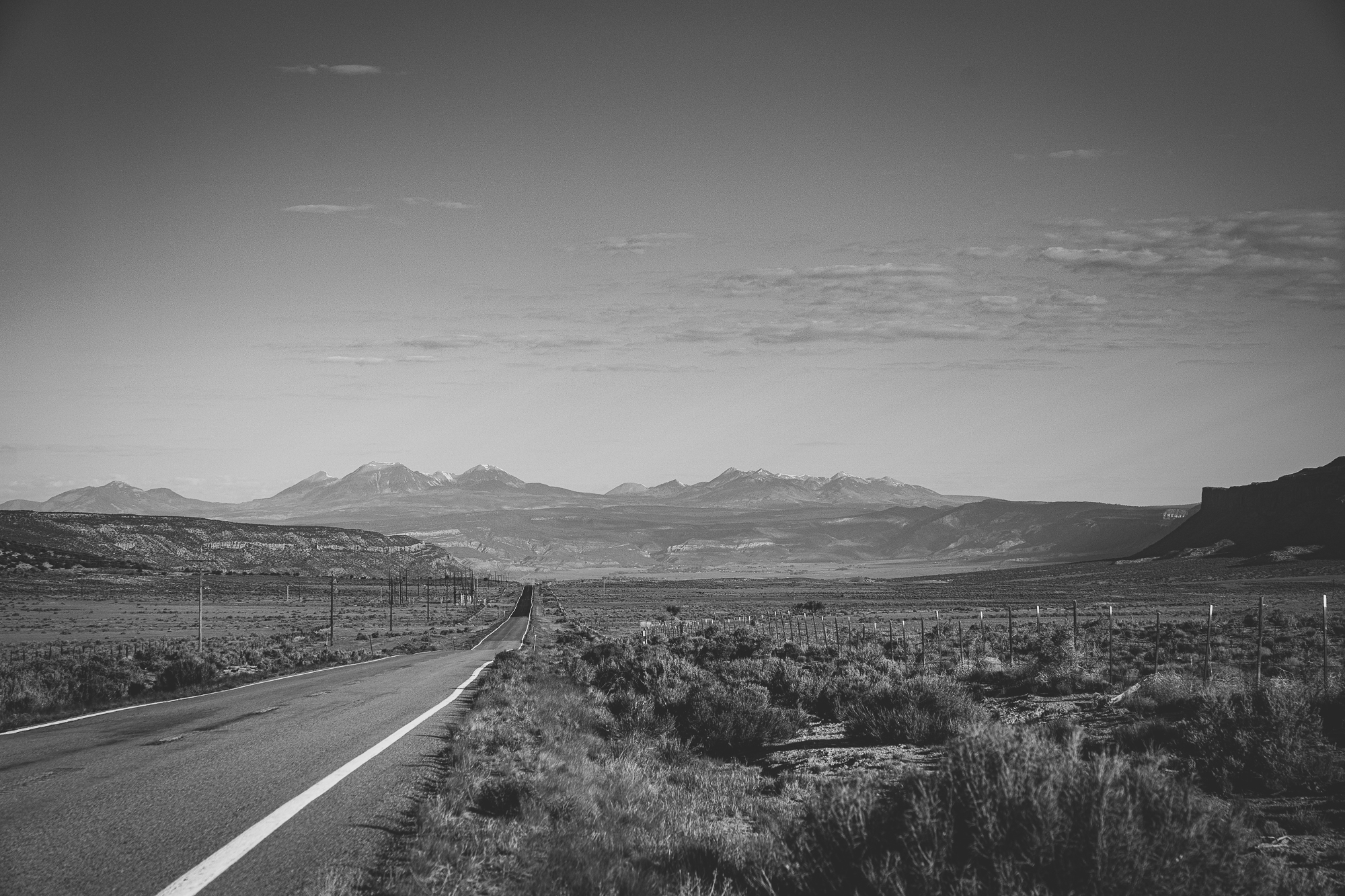
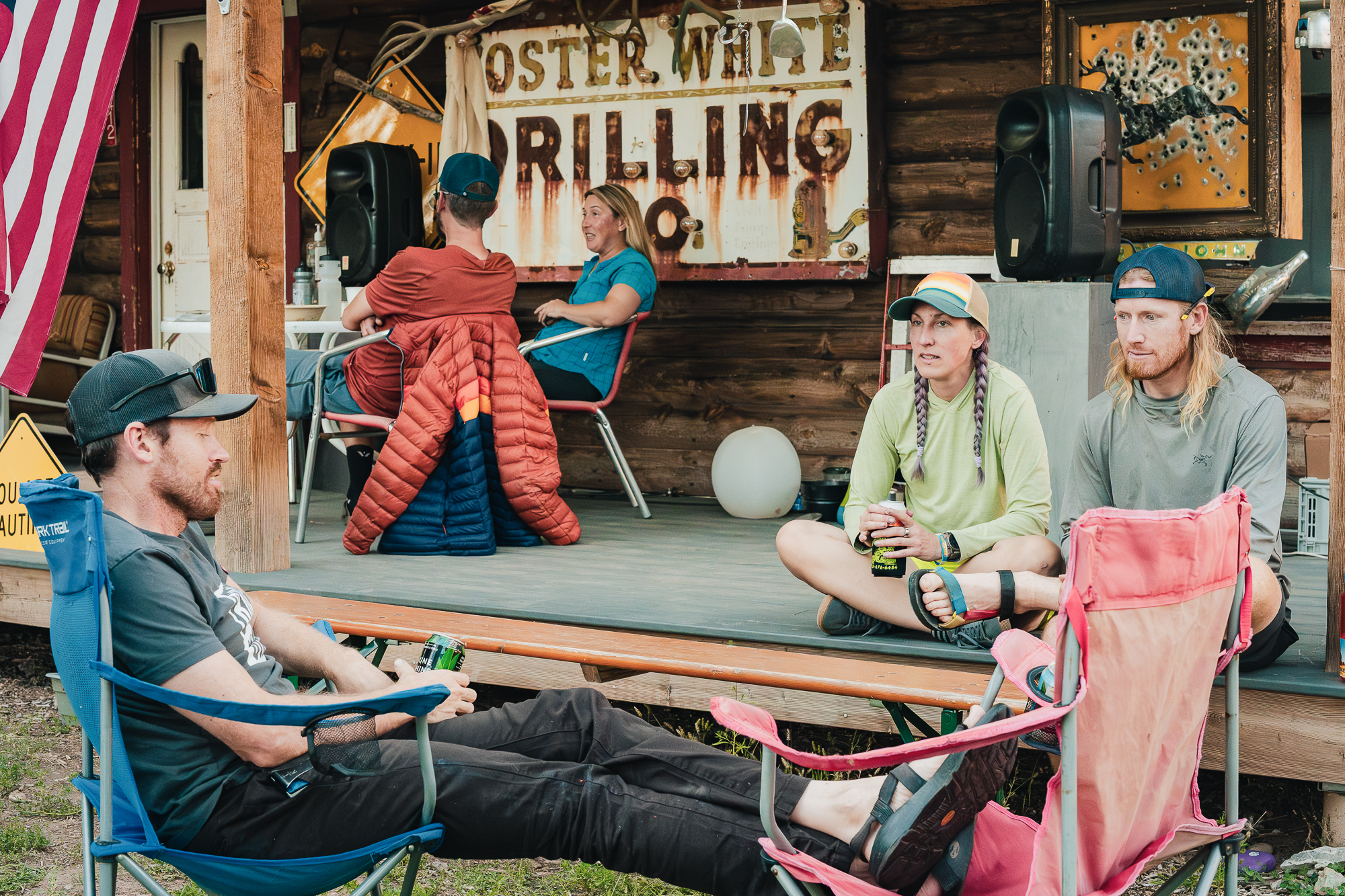
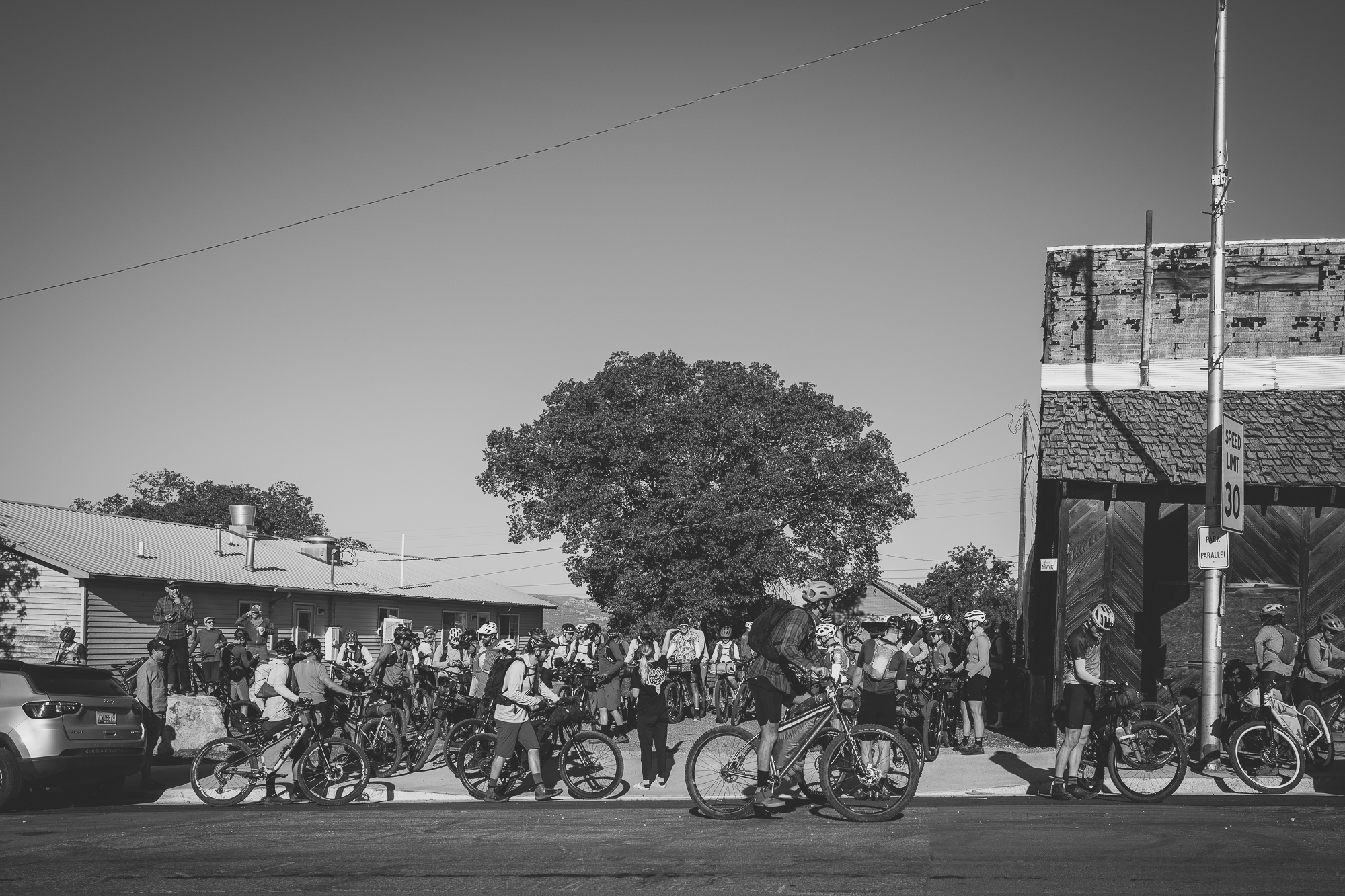
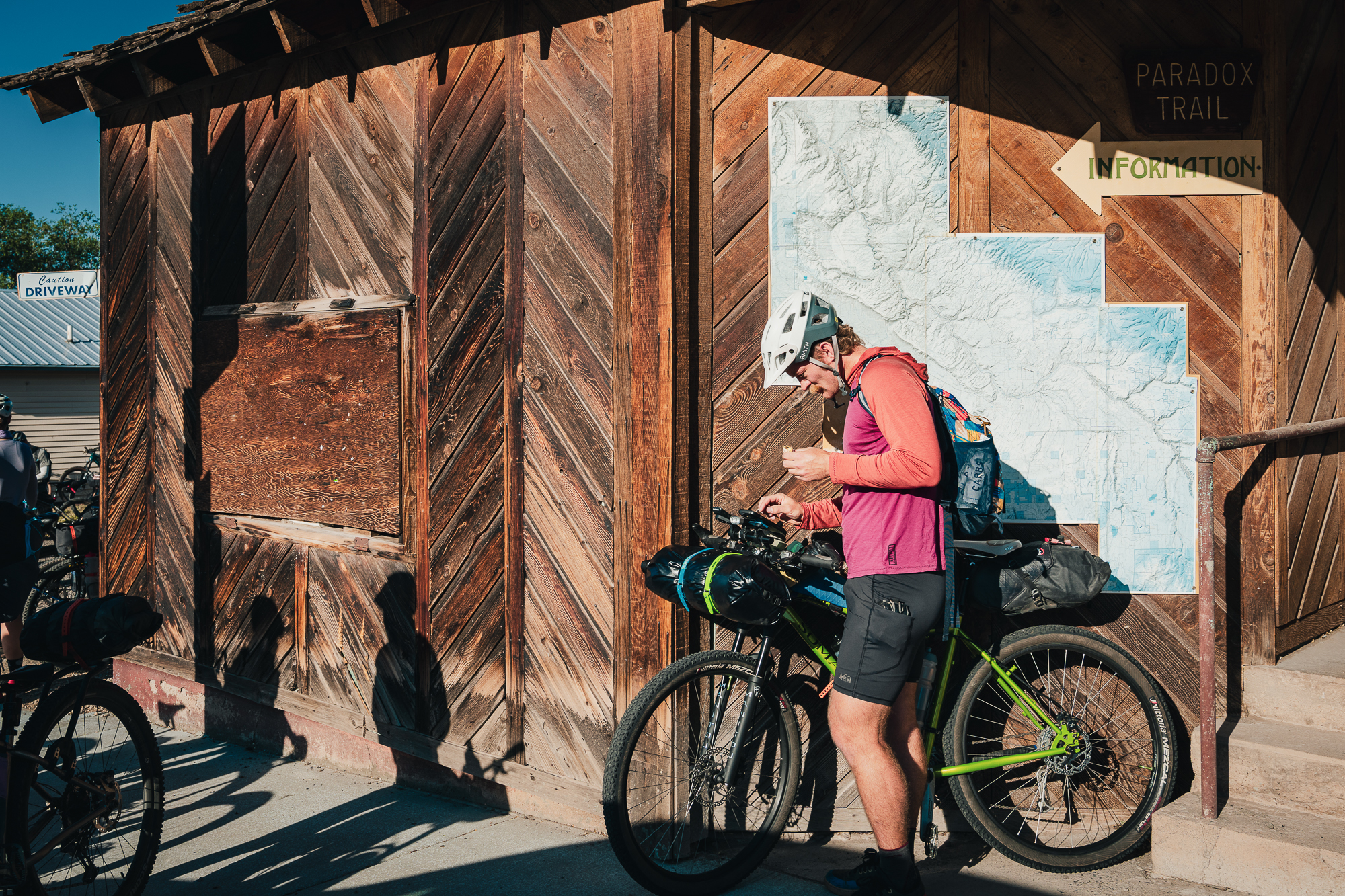
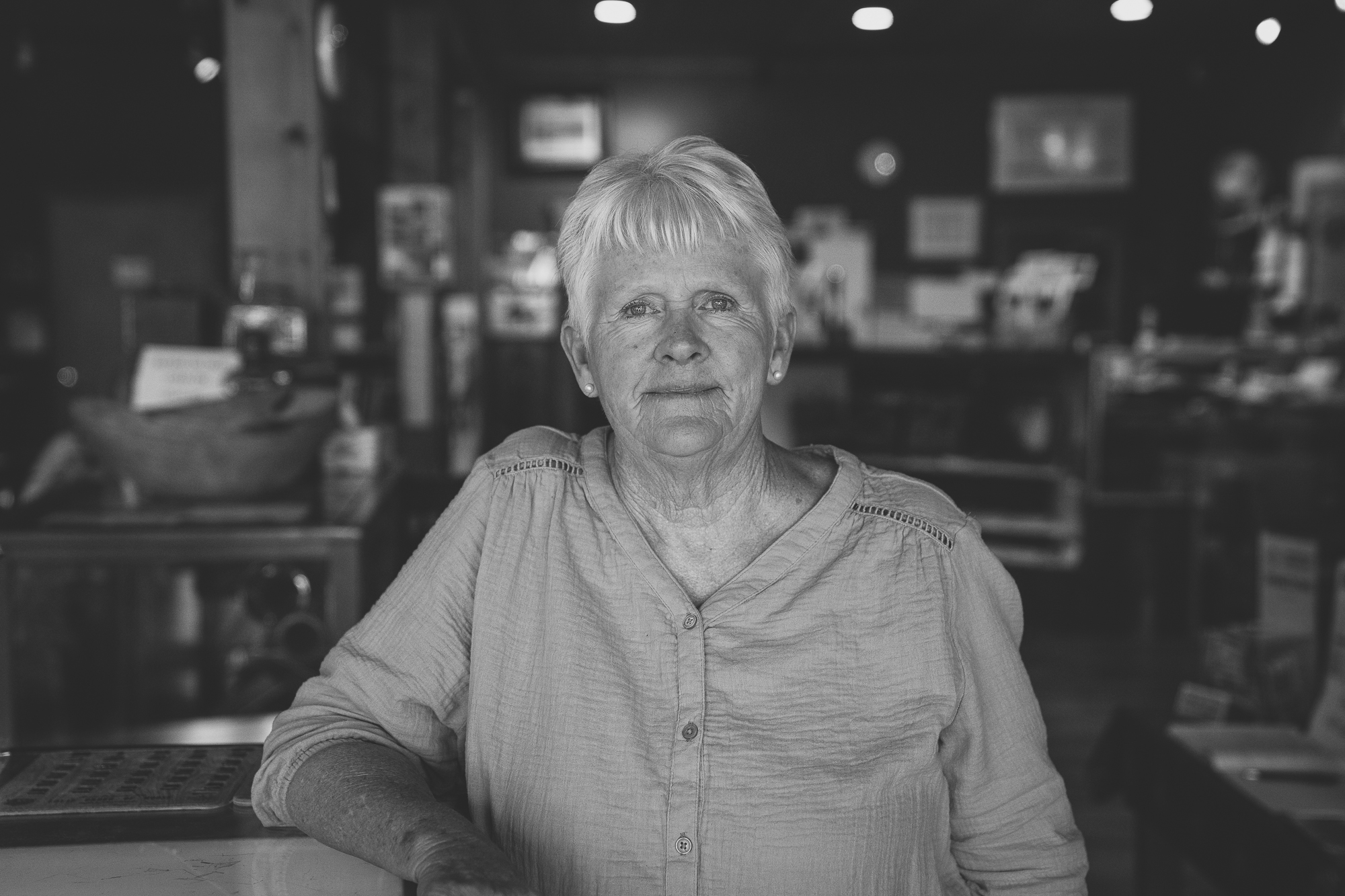
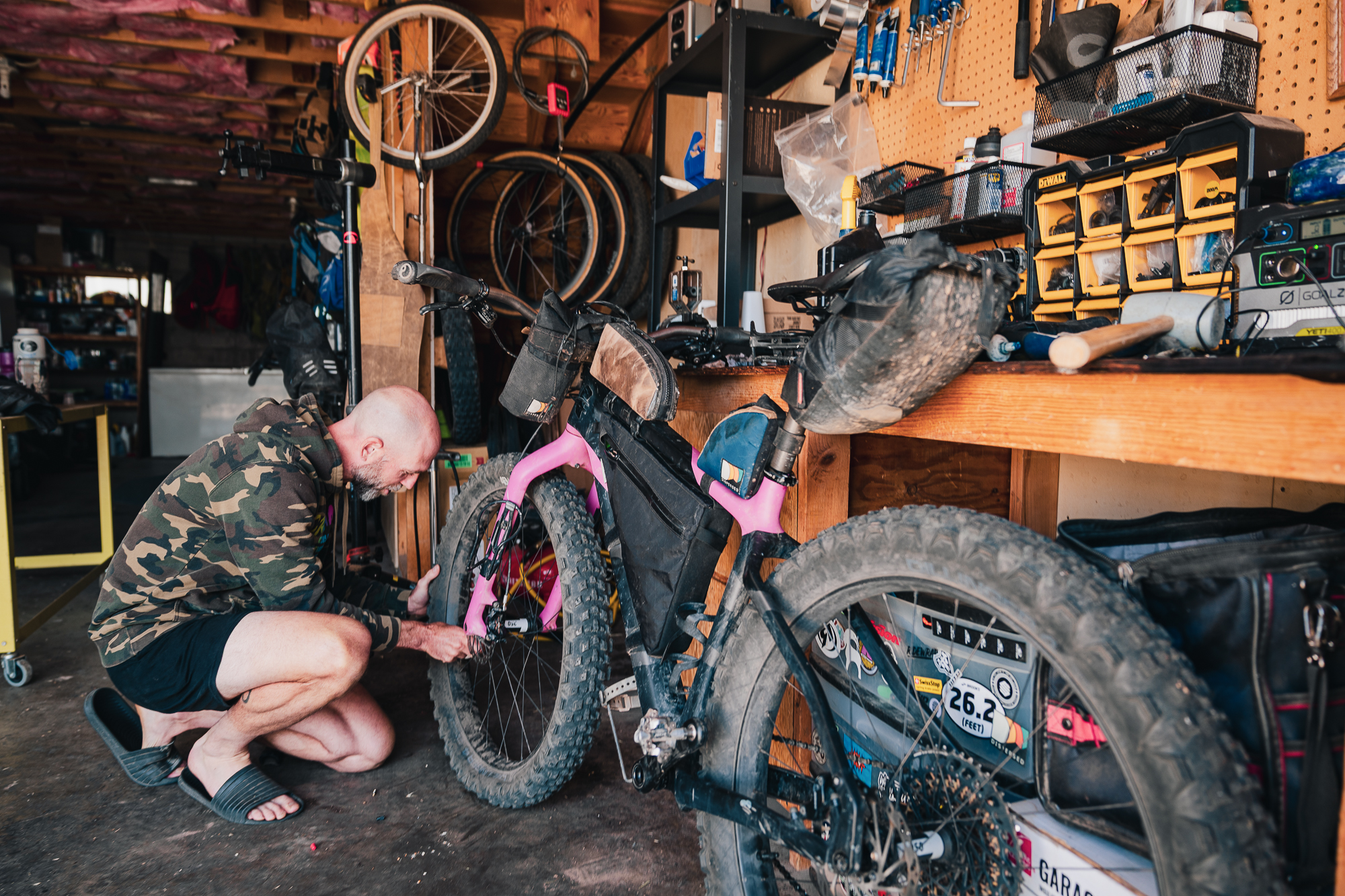
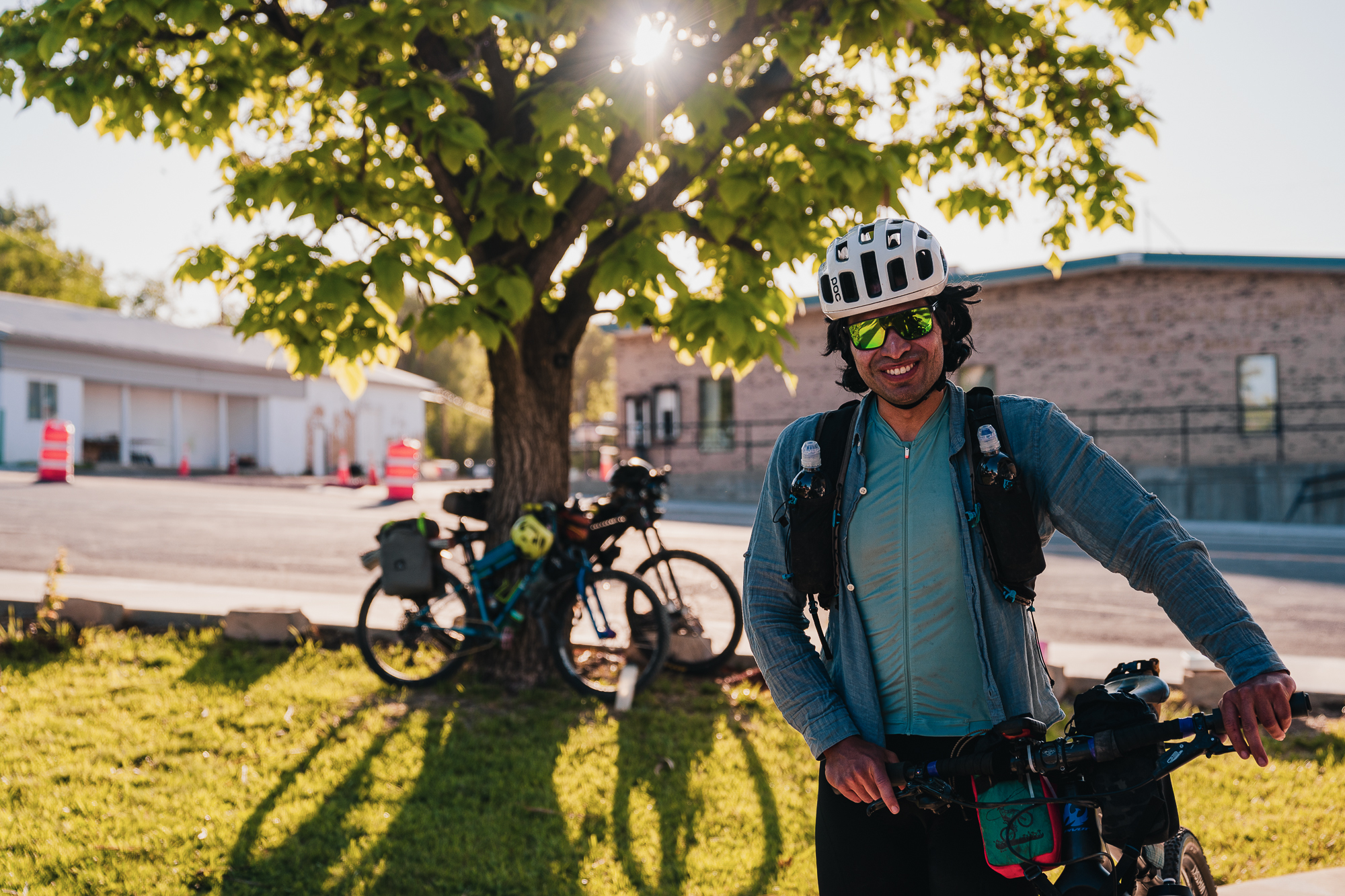
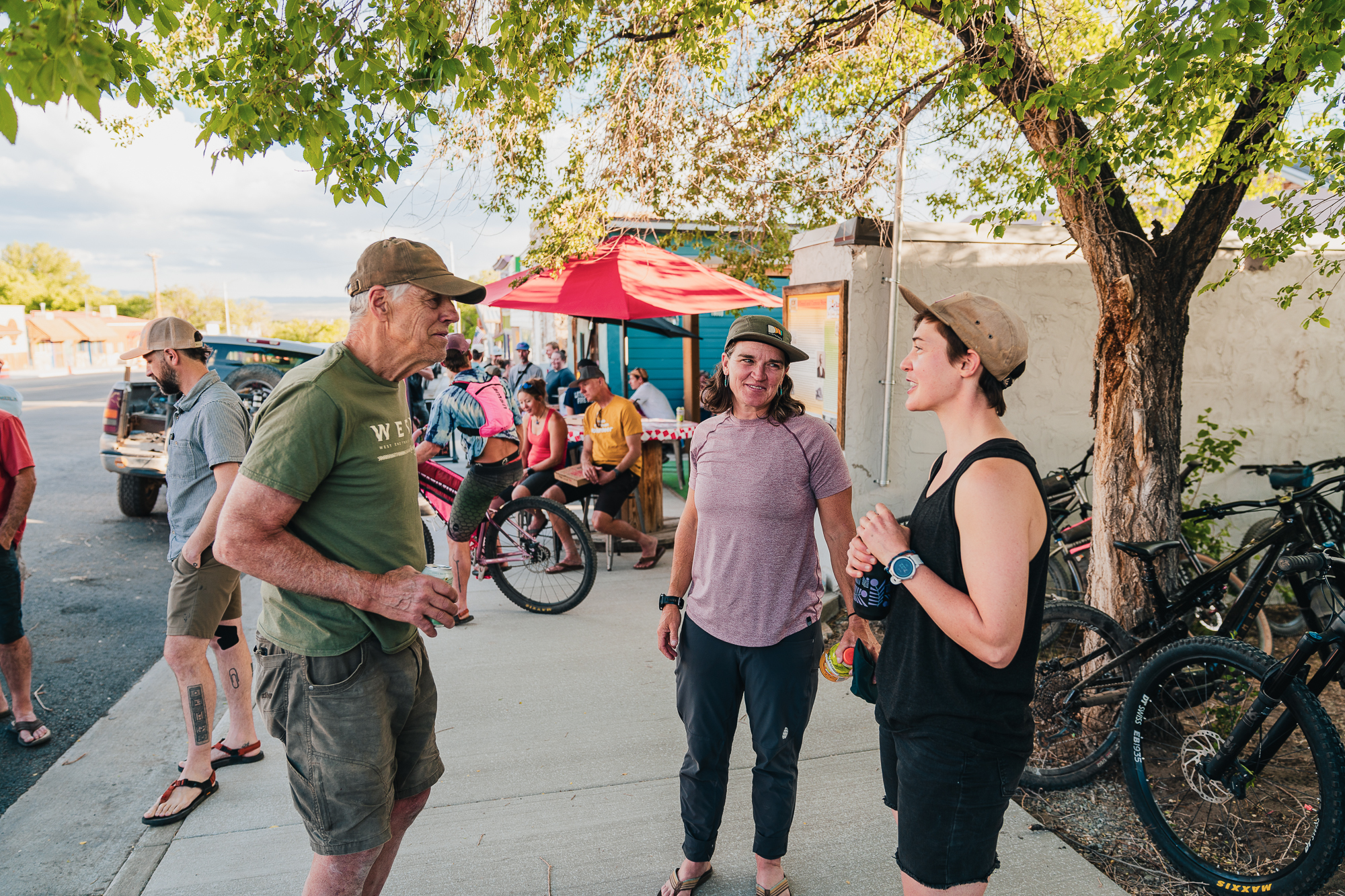
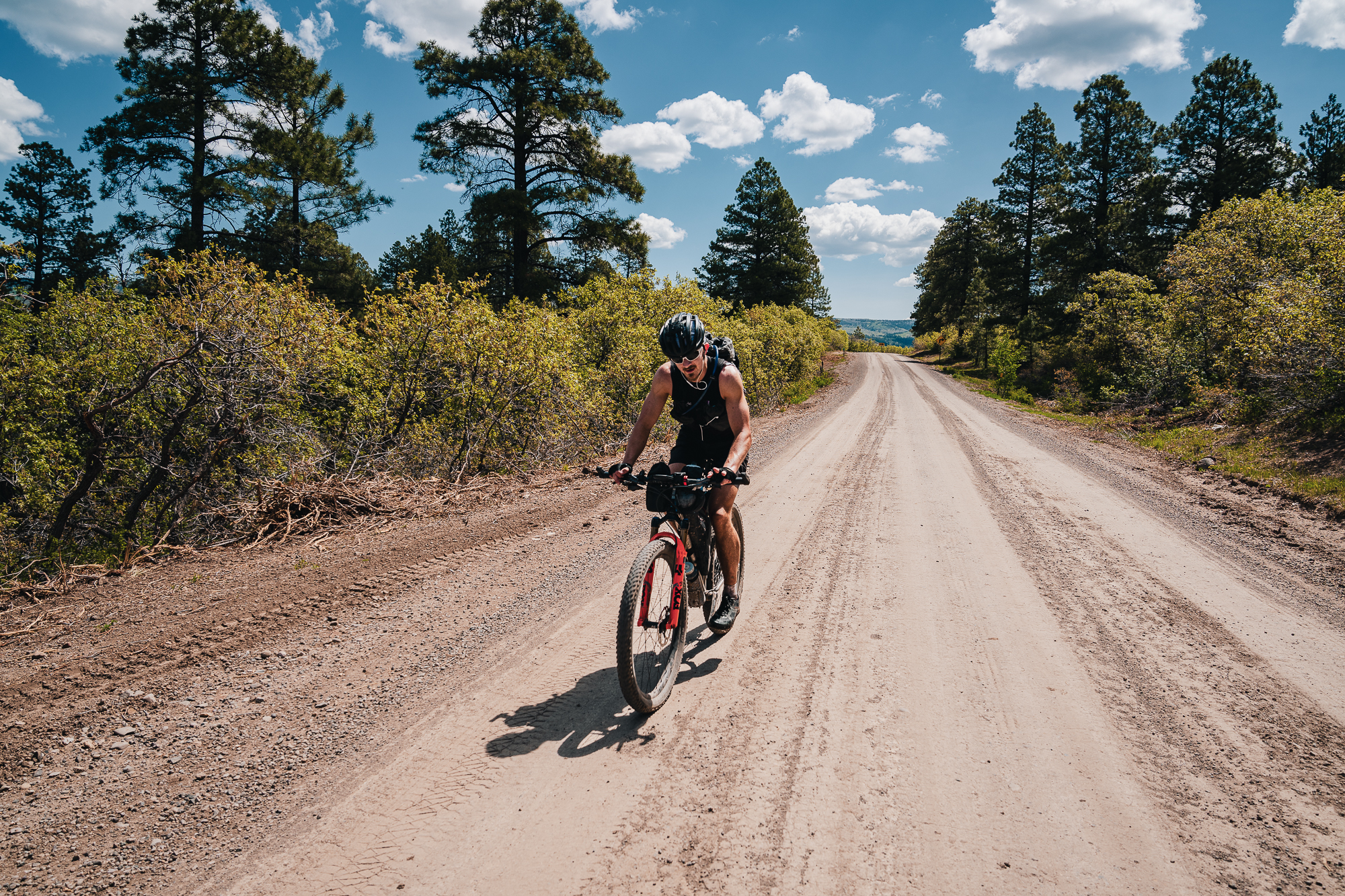
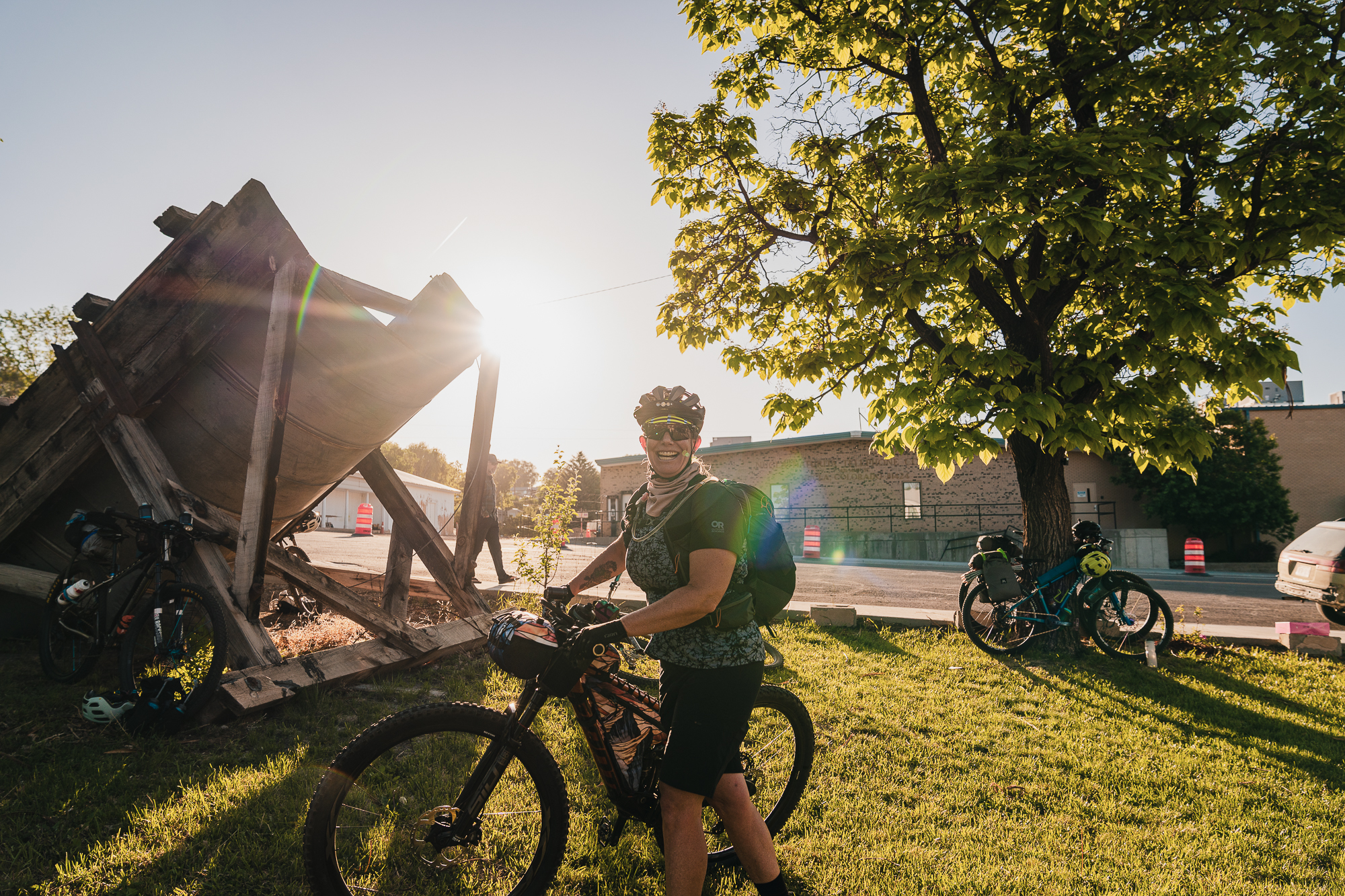
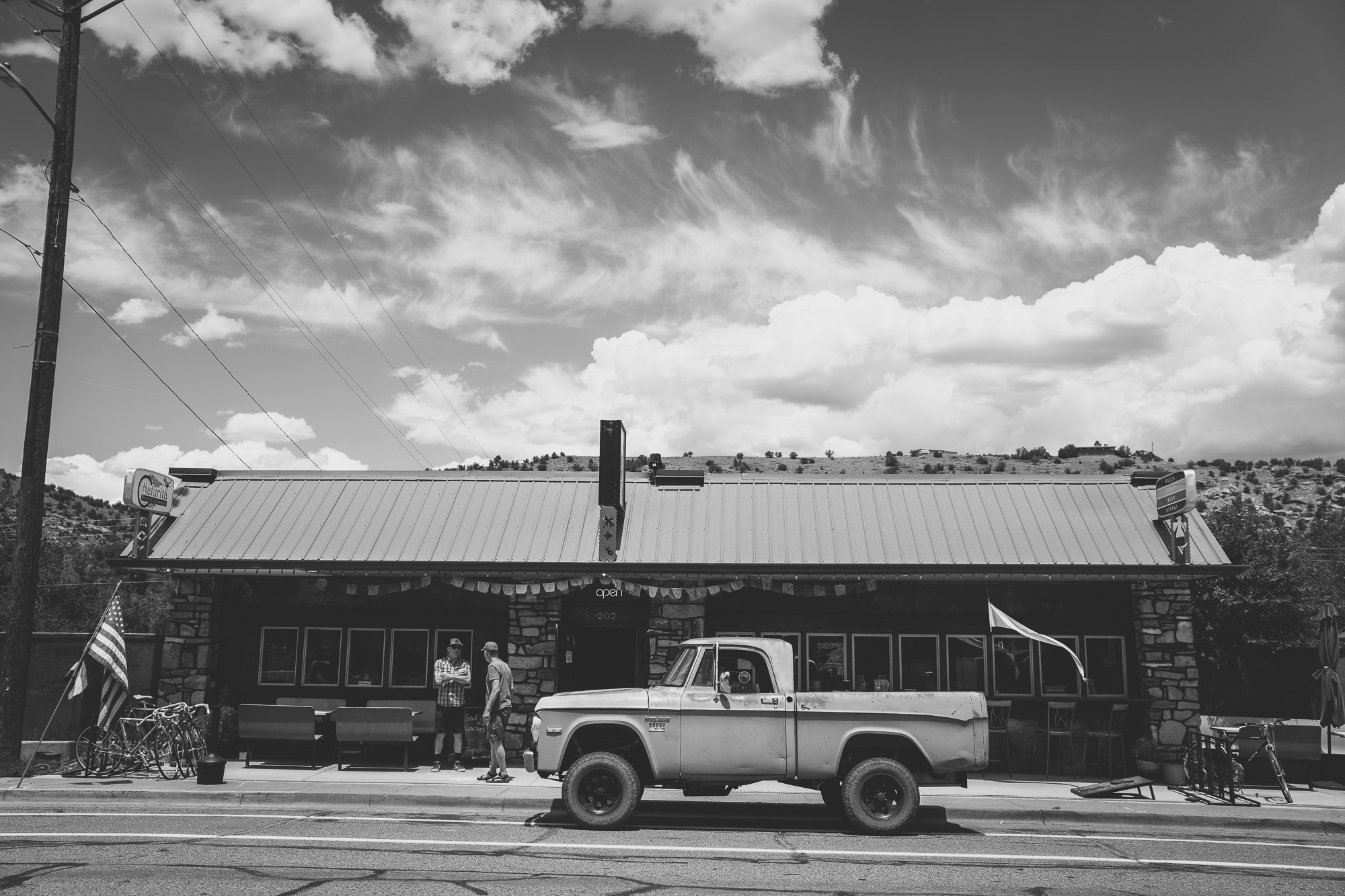
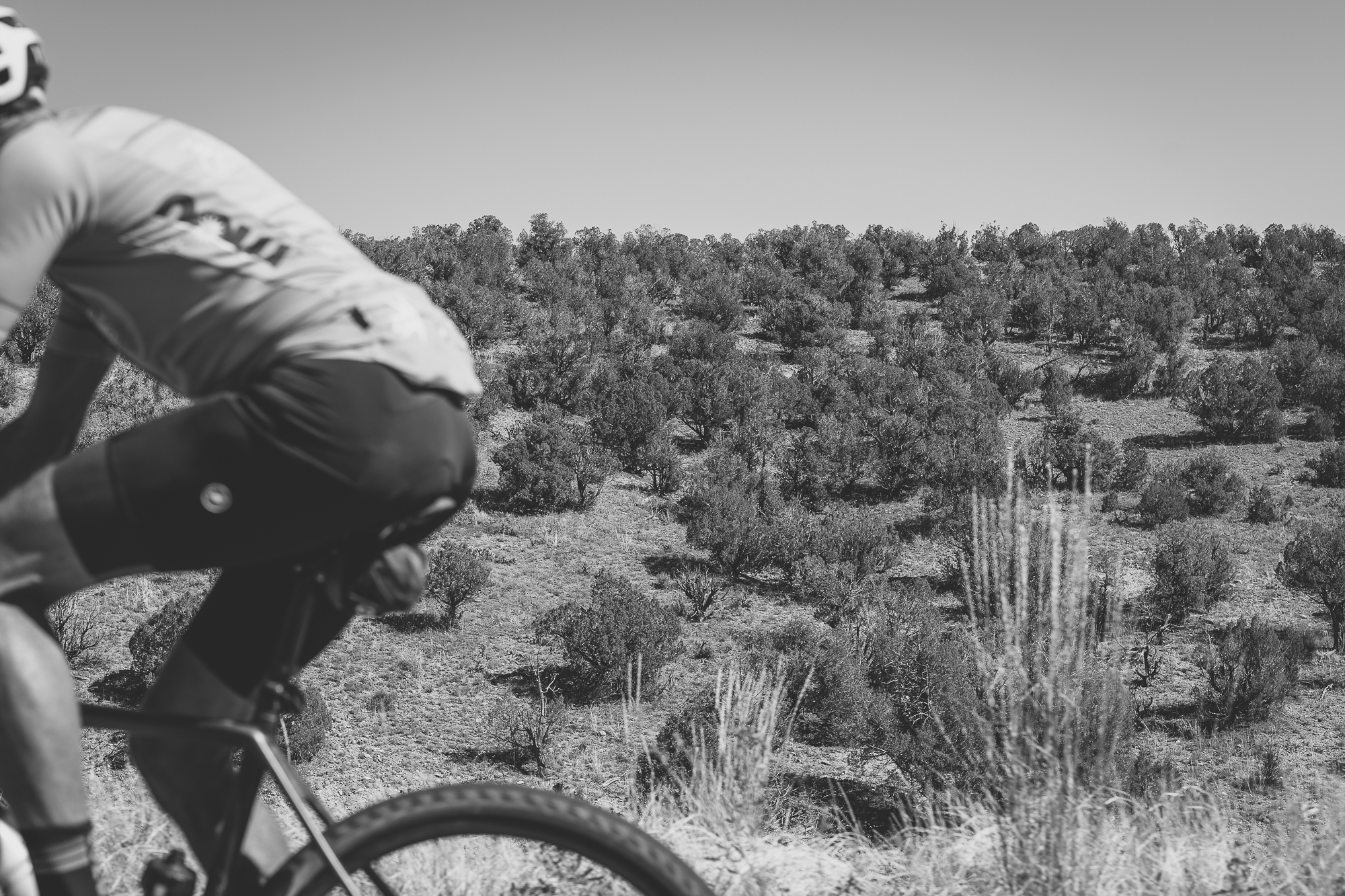

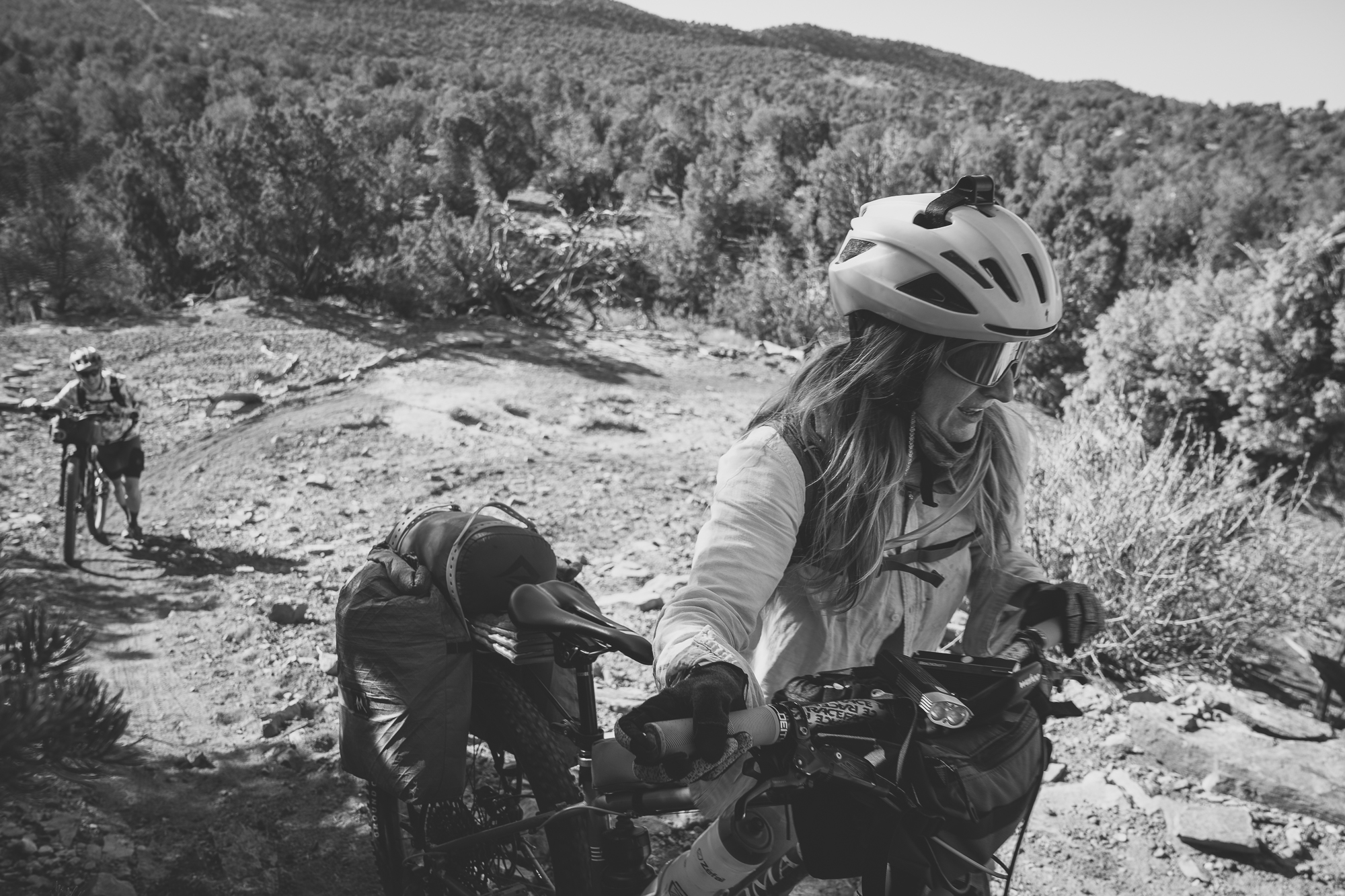
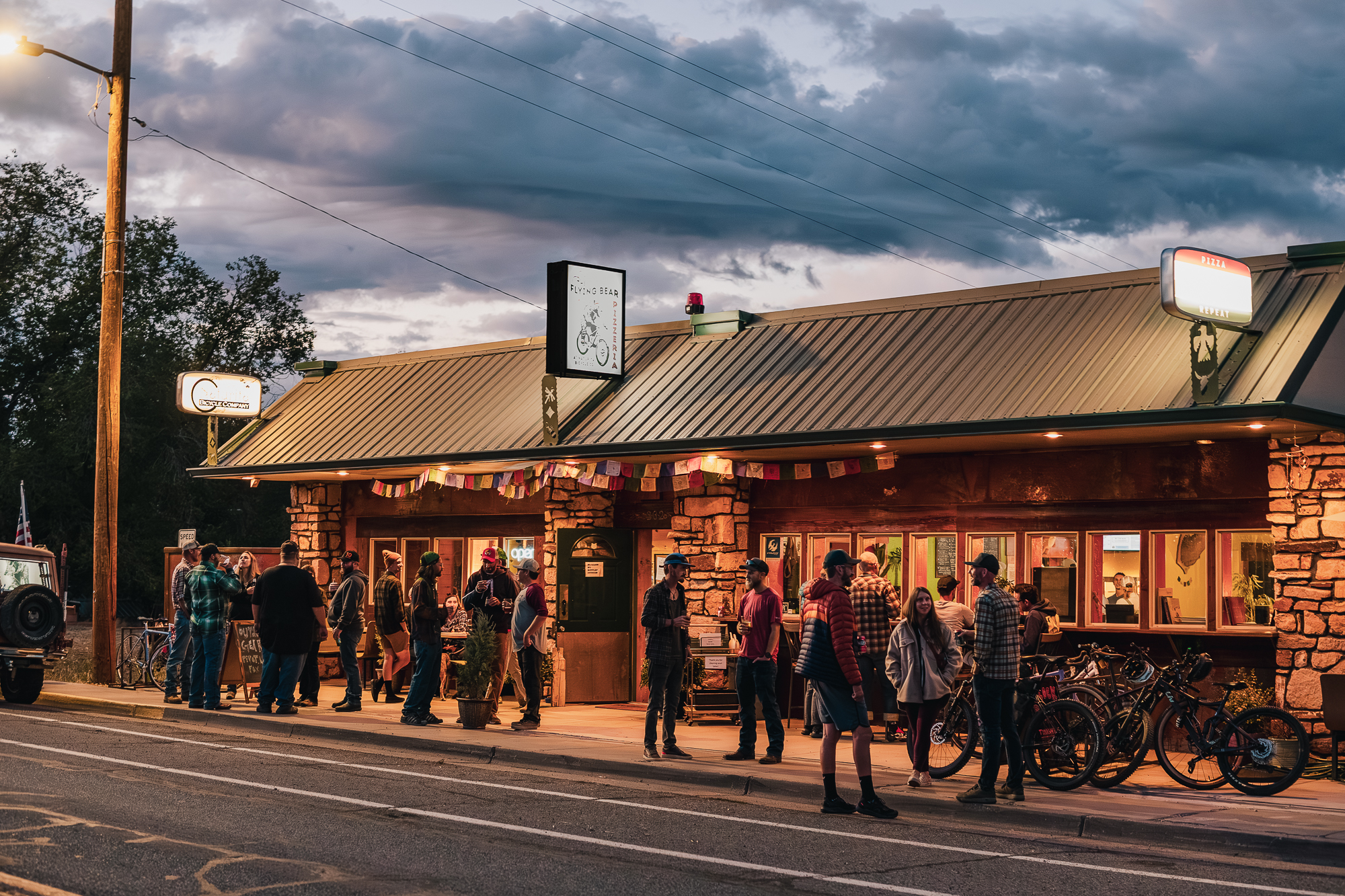
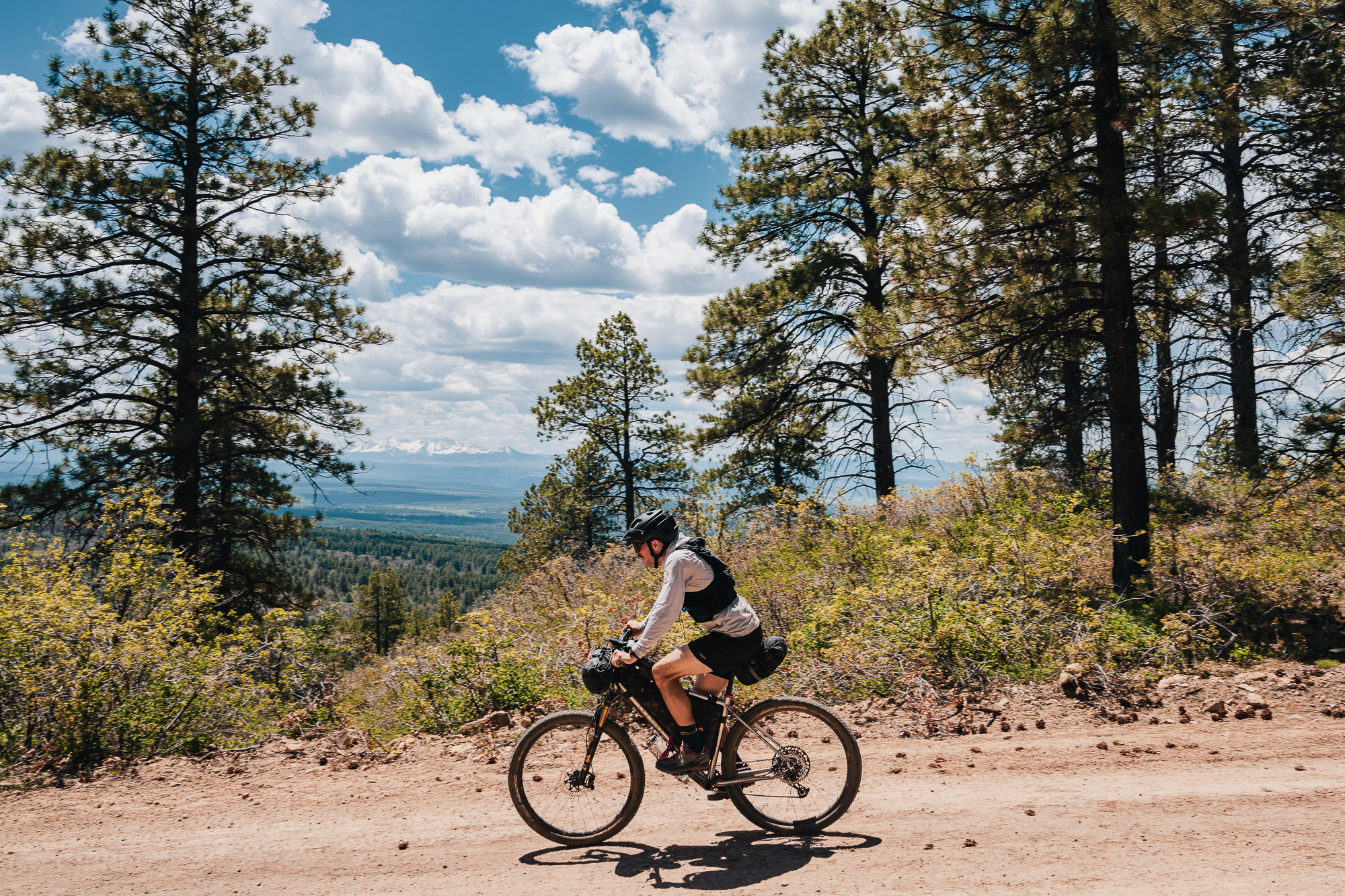
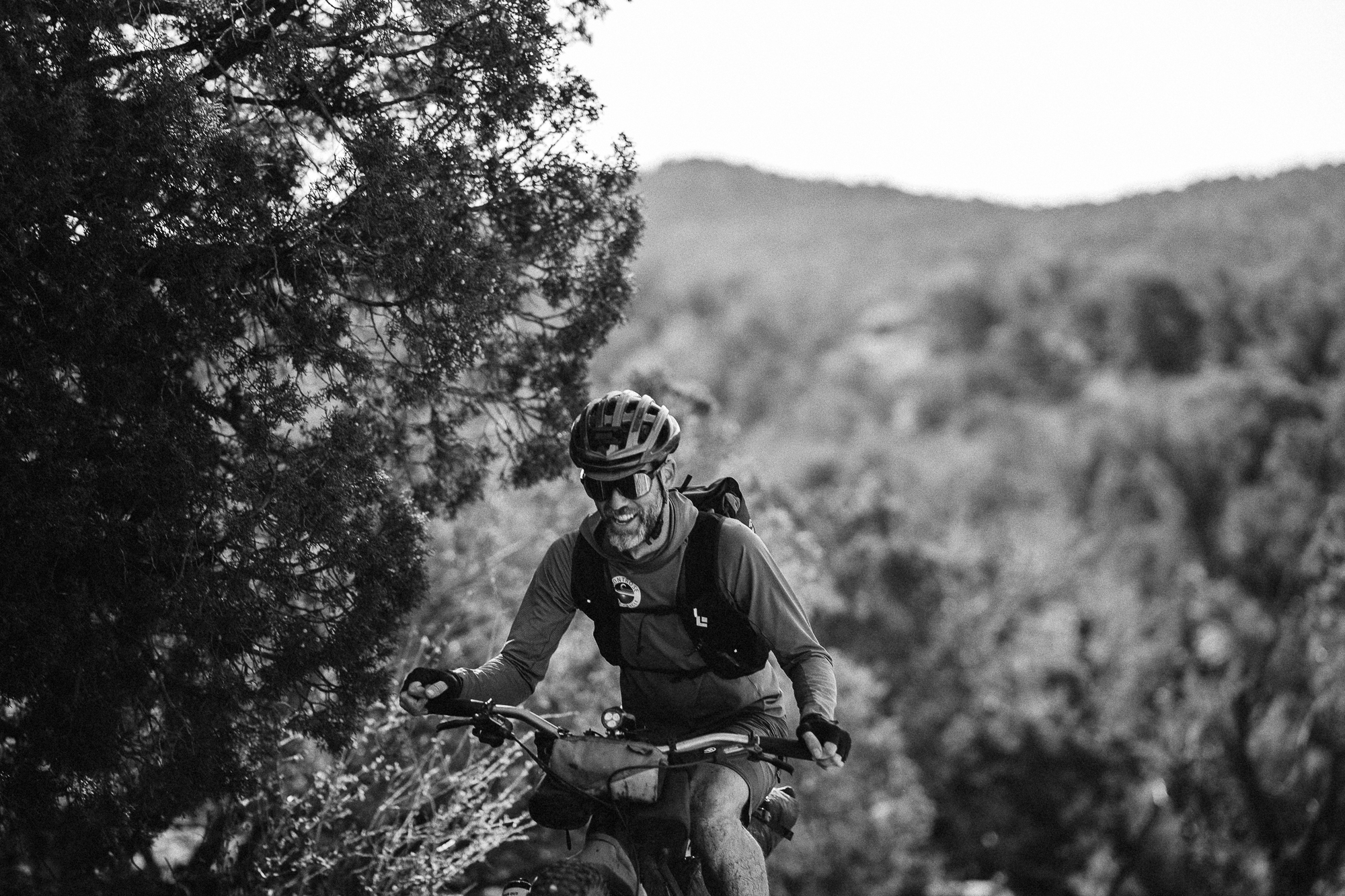
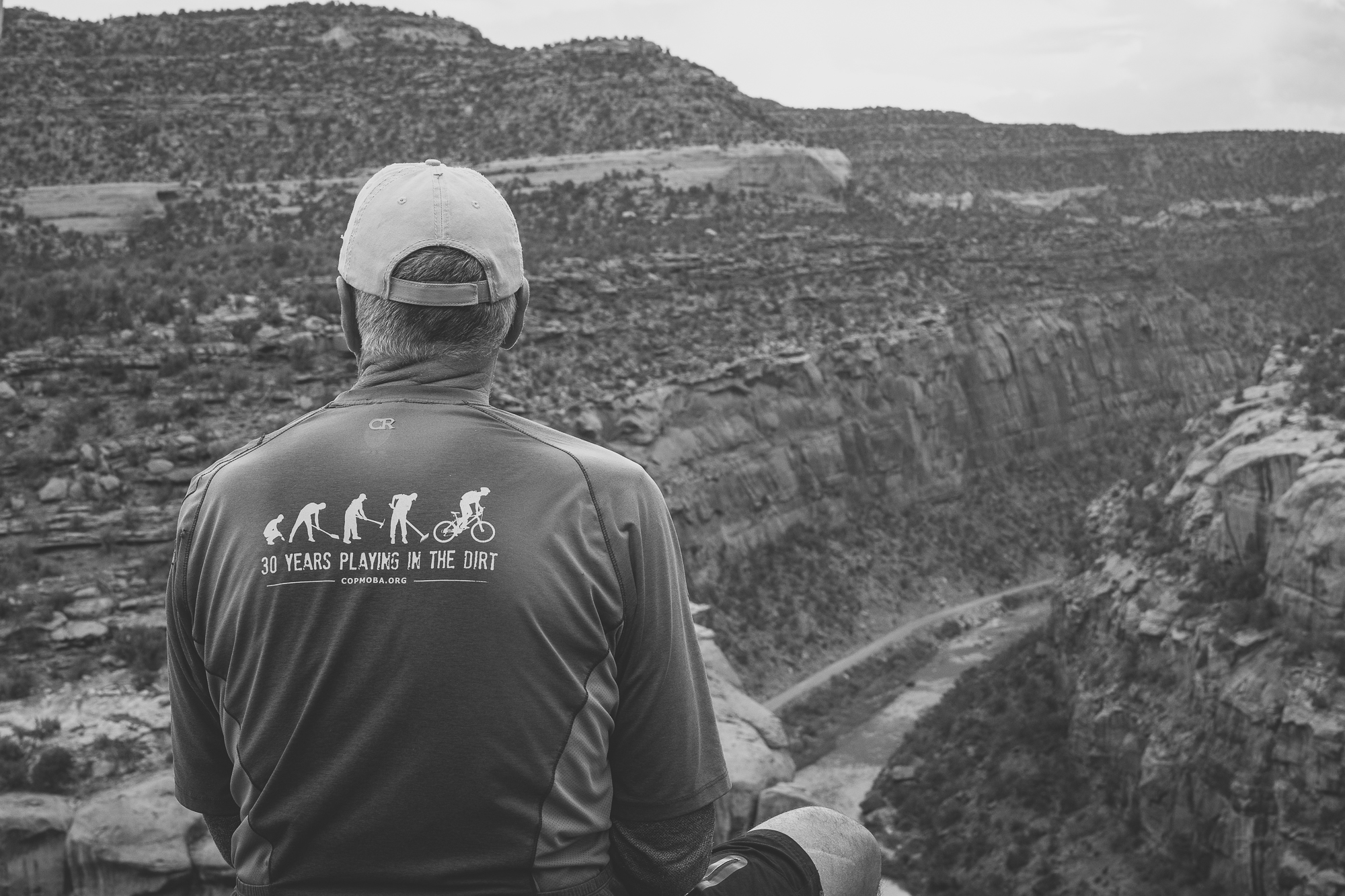
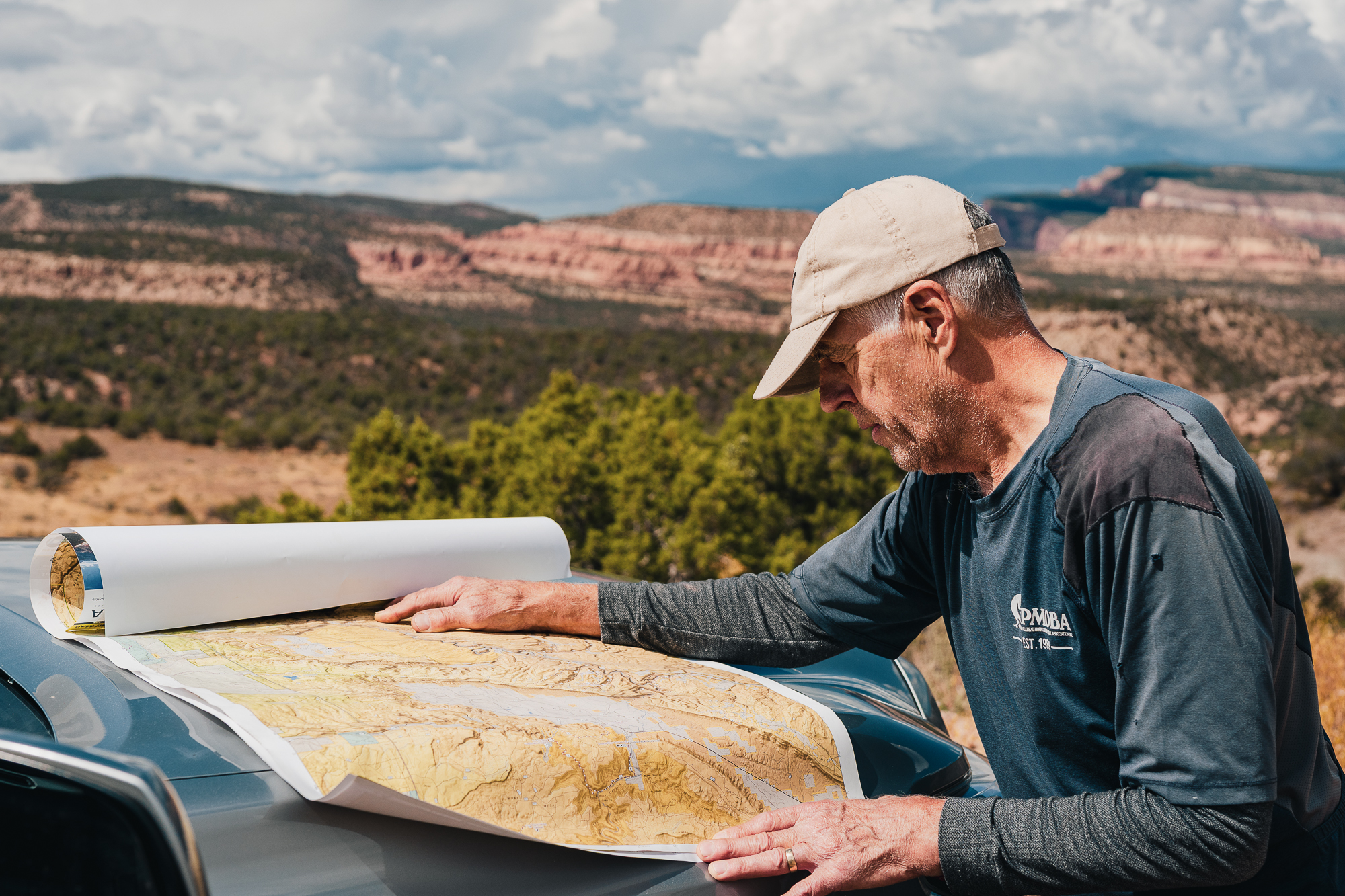
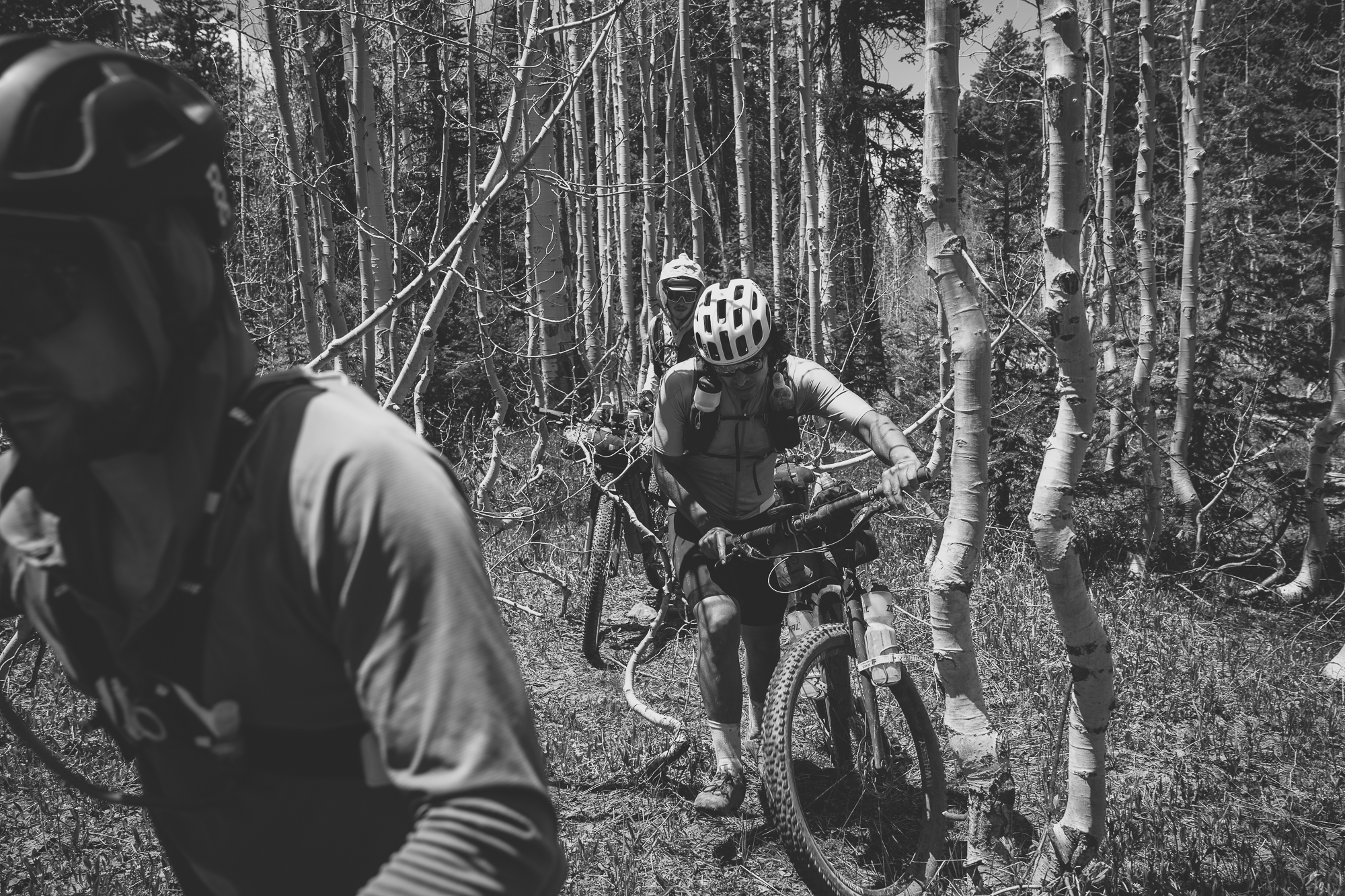
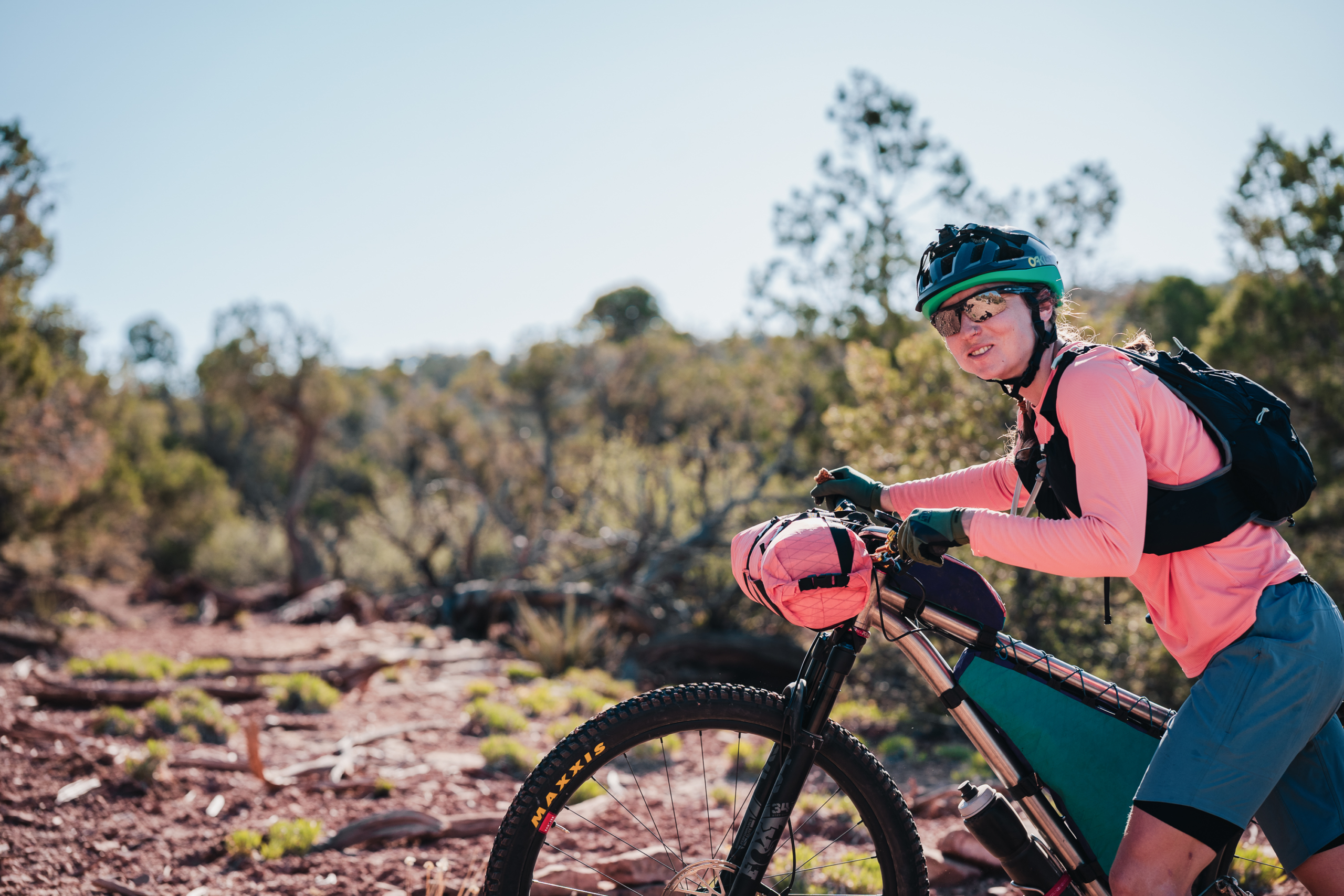
ECHOES OF THE WEST END
Case Study
PROJECT OVERVIEW
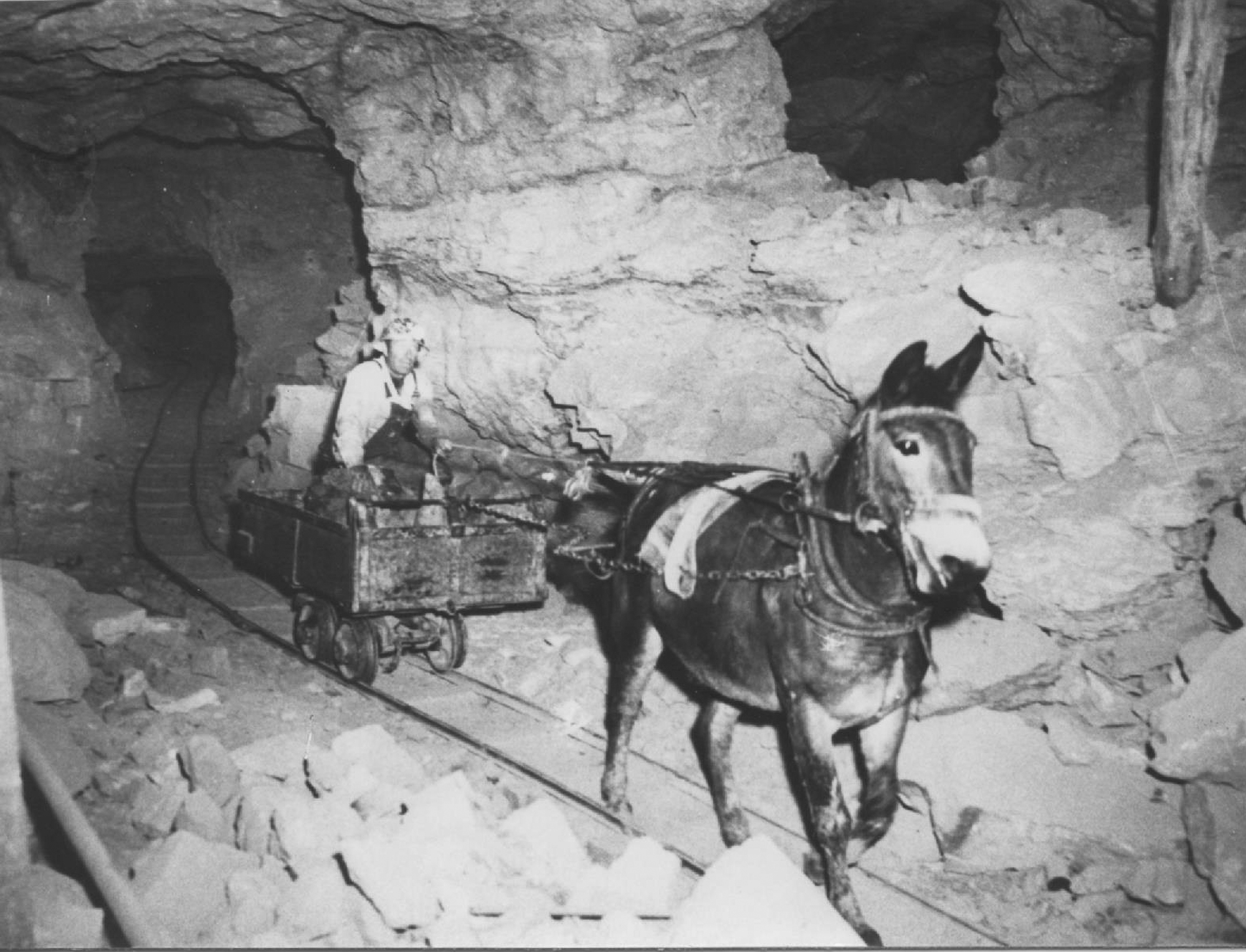
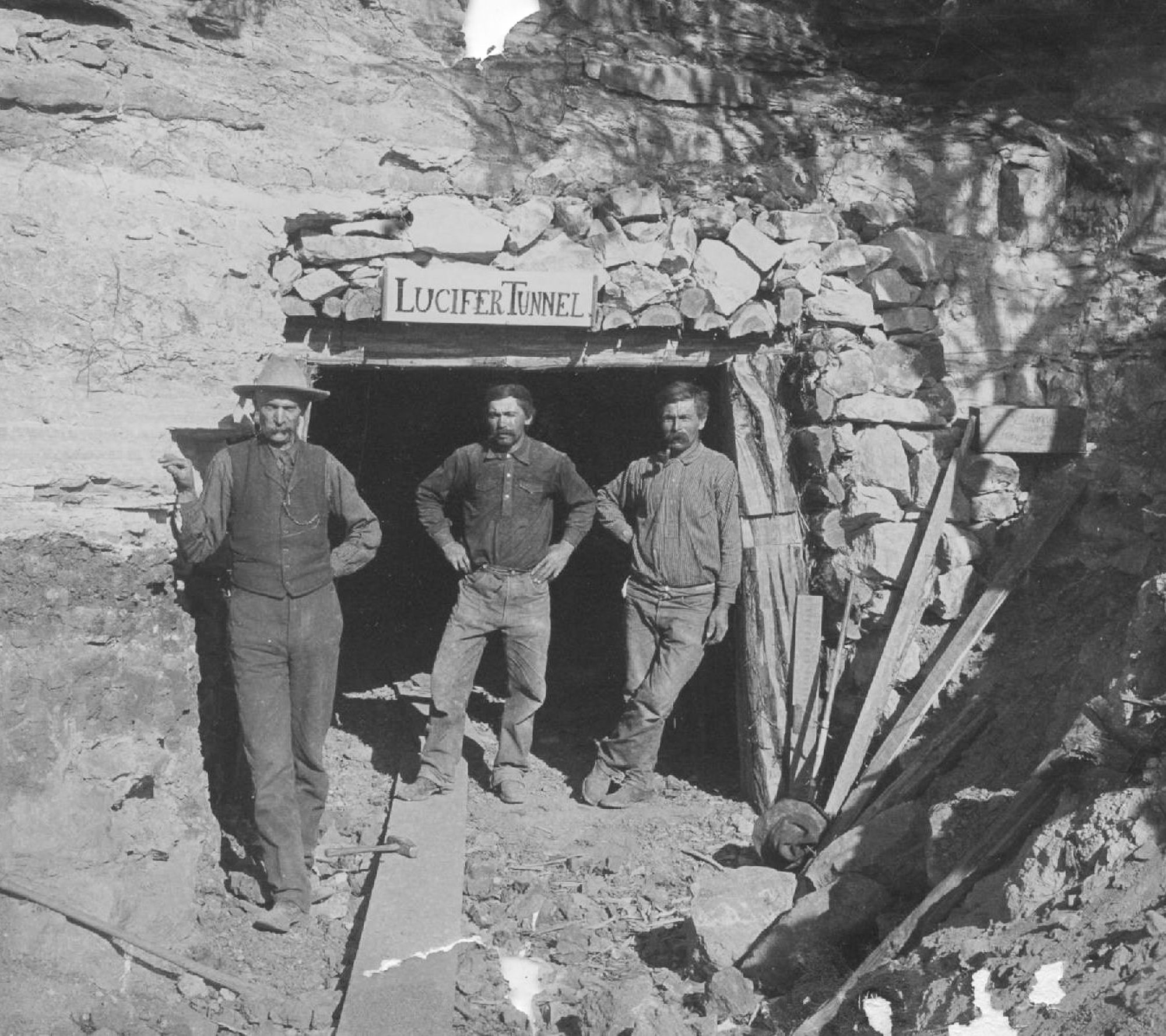
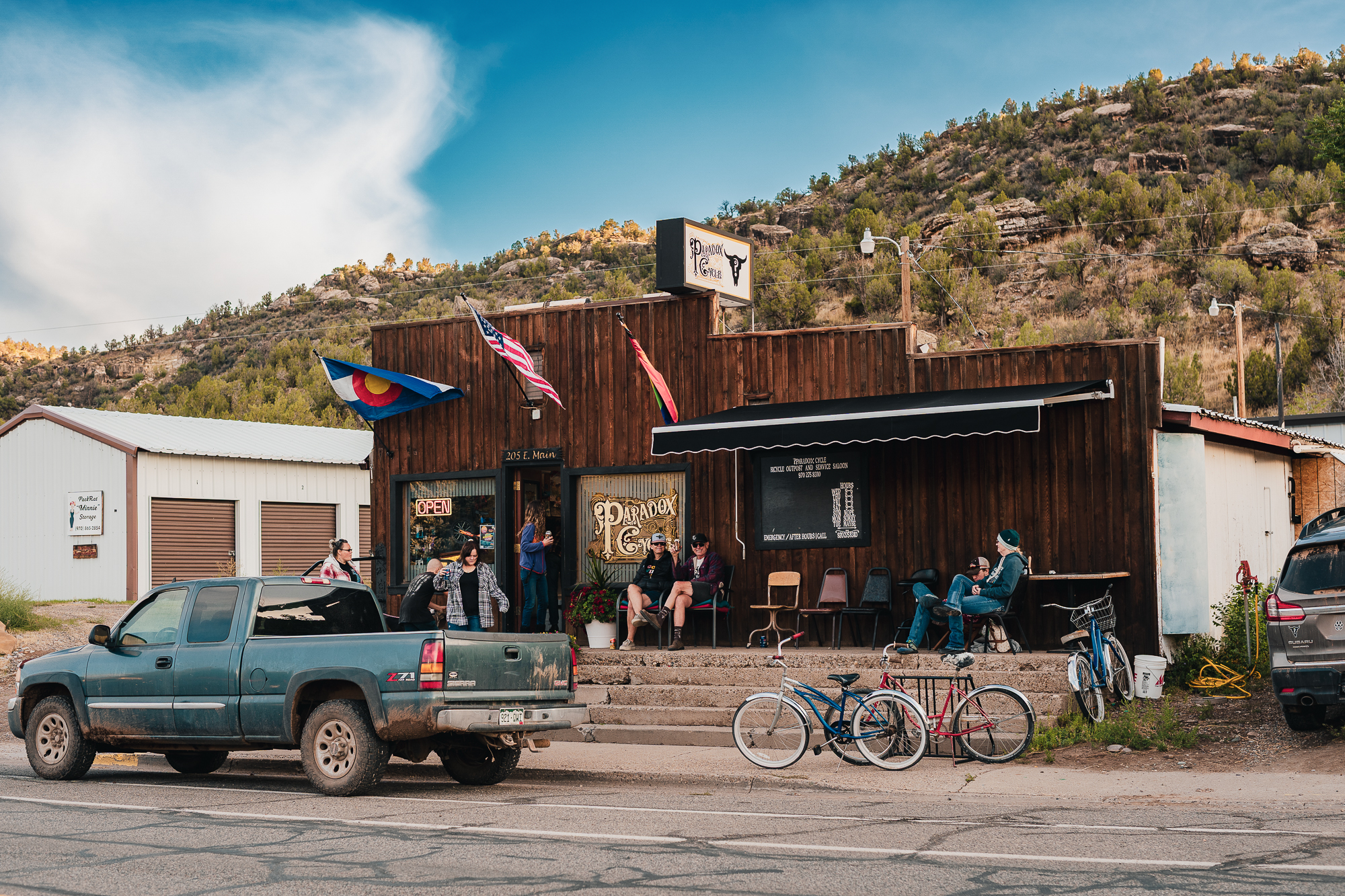
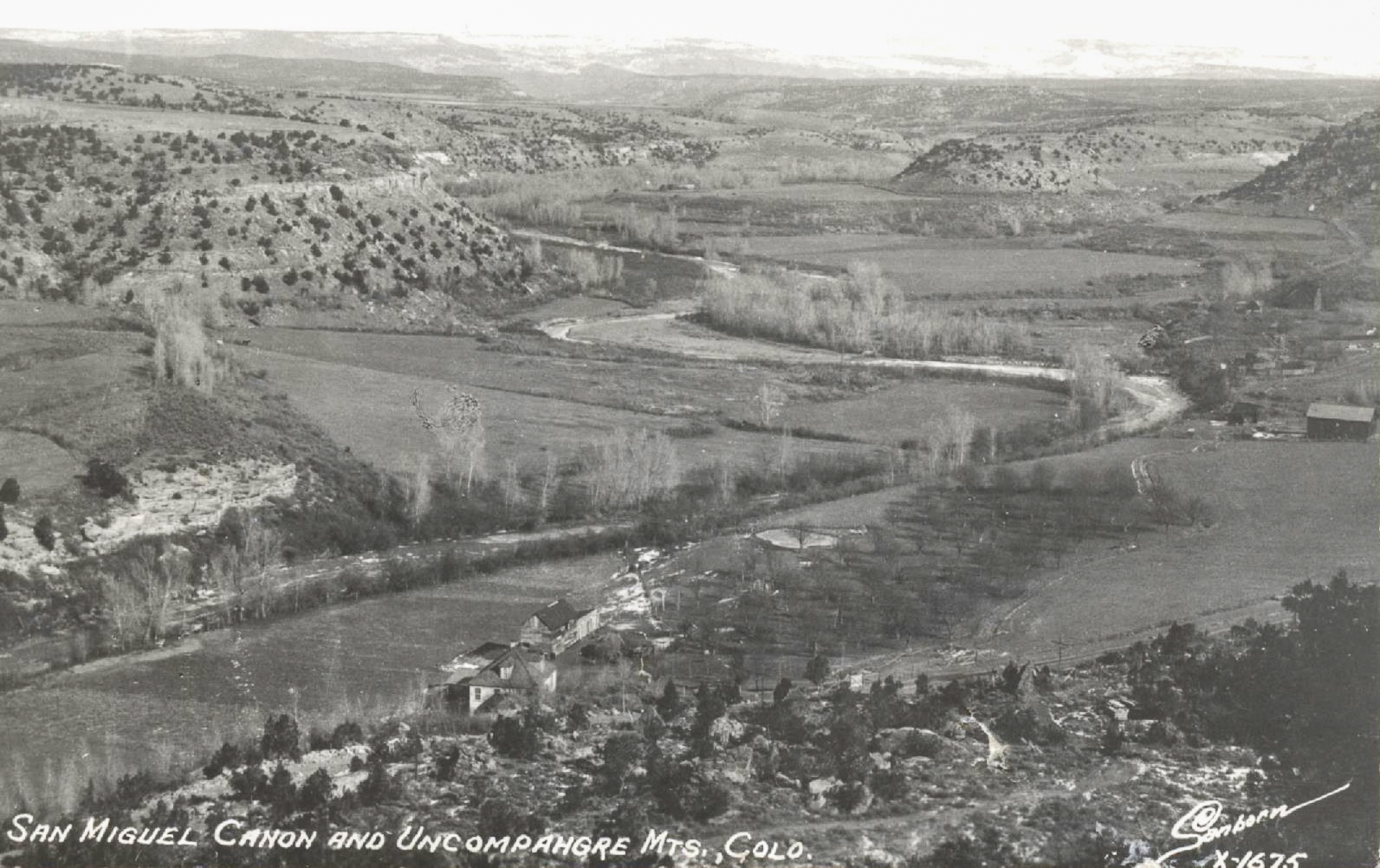
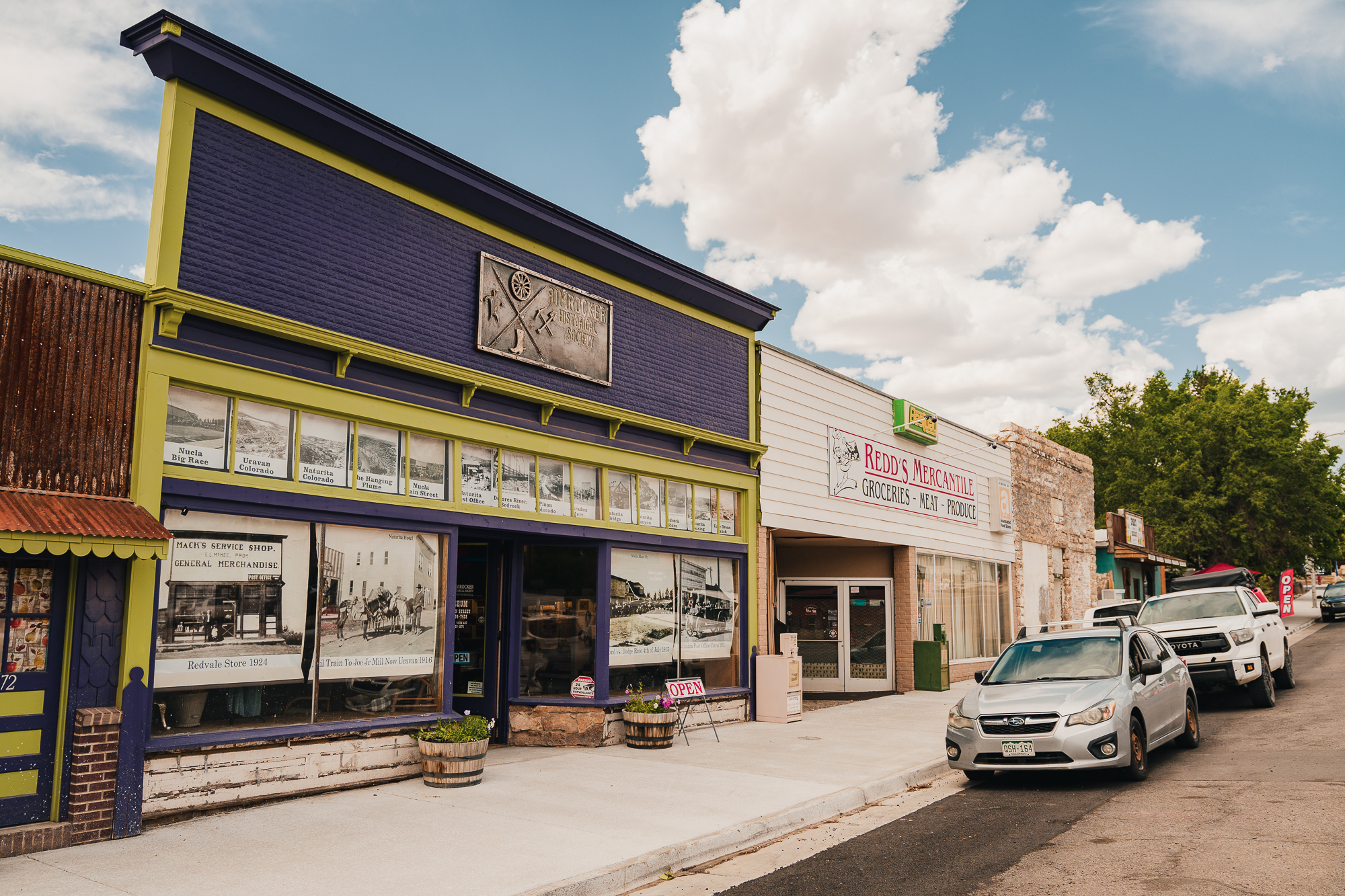
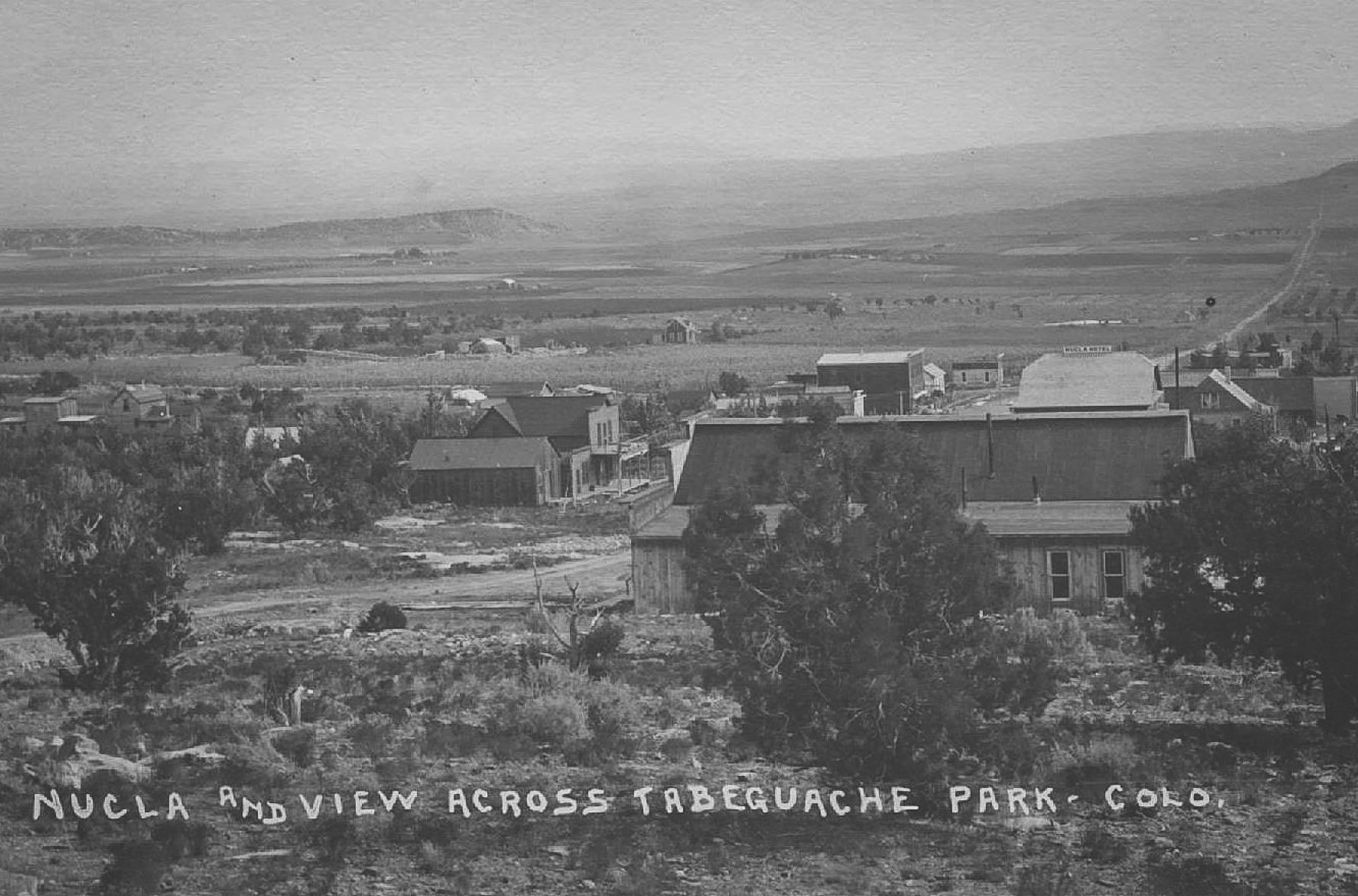
Echoes of the West End is a documentary film rooted in Colorado’s West End — a region shaped by mining history, rugged terrain, and small communities navigating long-term change. The project explores how landscape, history, and community intersect, and how places often overlooked continue to evolve through resilience, stewardship, and shared effort.
Rather than approaching the West End as a destination or a problem to be solved, the film treats it as a living place — one defined by continuity as much as transition.
“Some stories aren’t loud. They’re carried — passed down through land, work, and the people who refuse to leave a place behind.”
CONTEXT
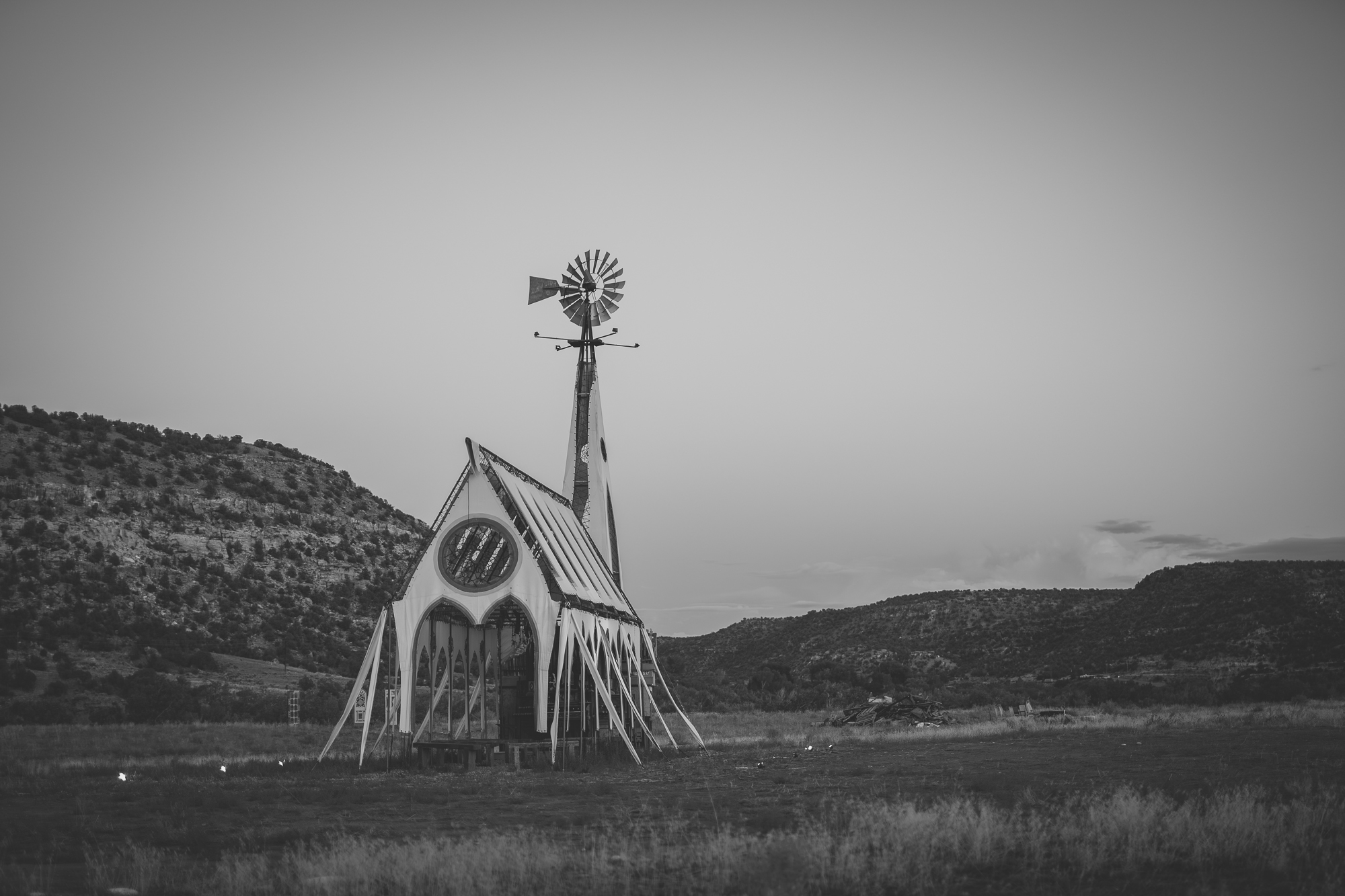
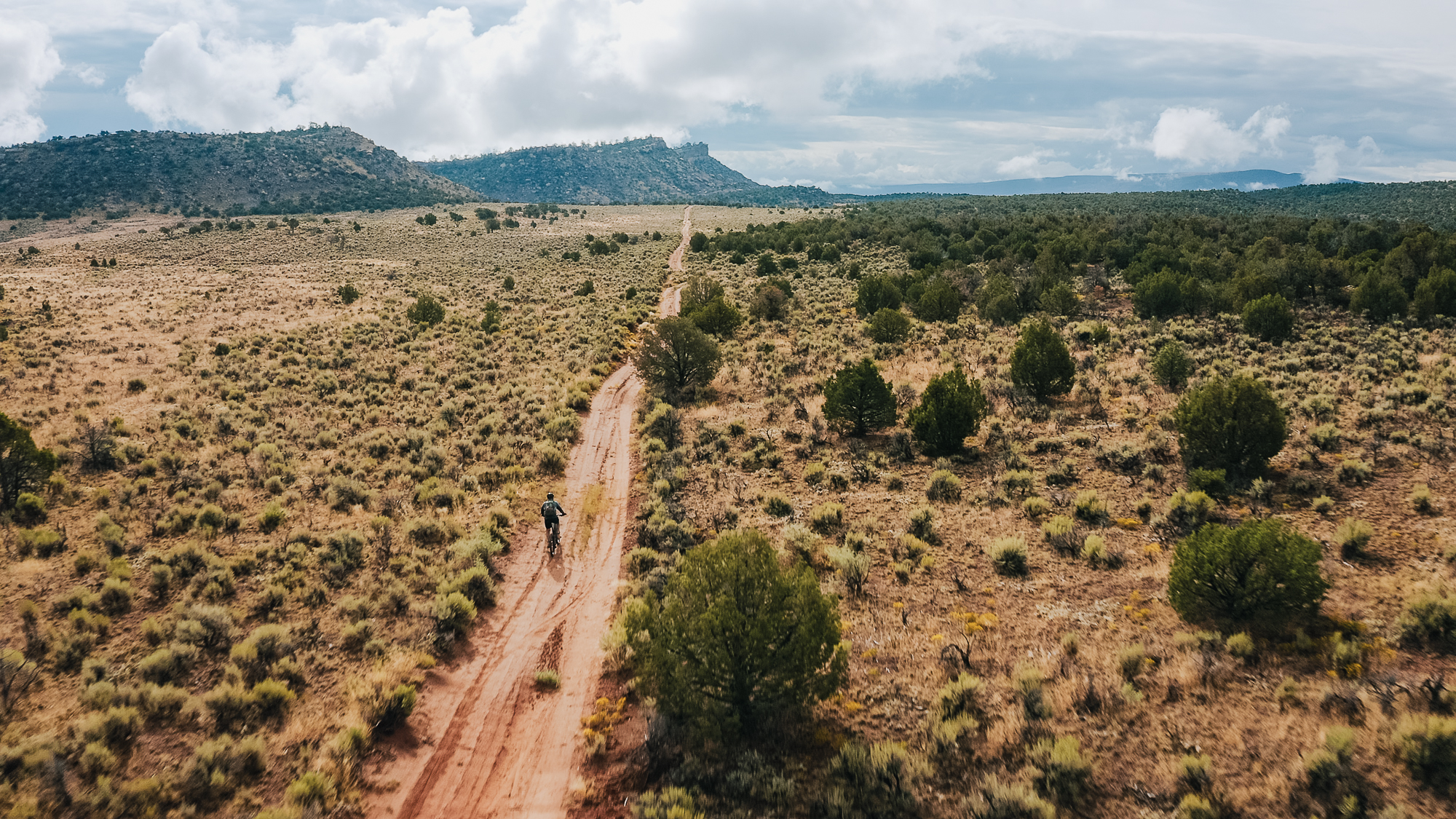
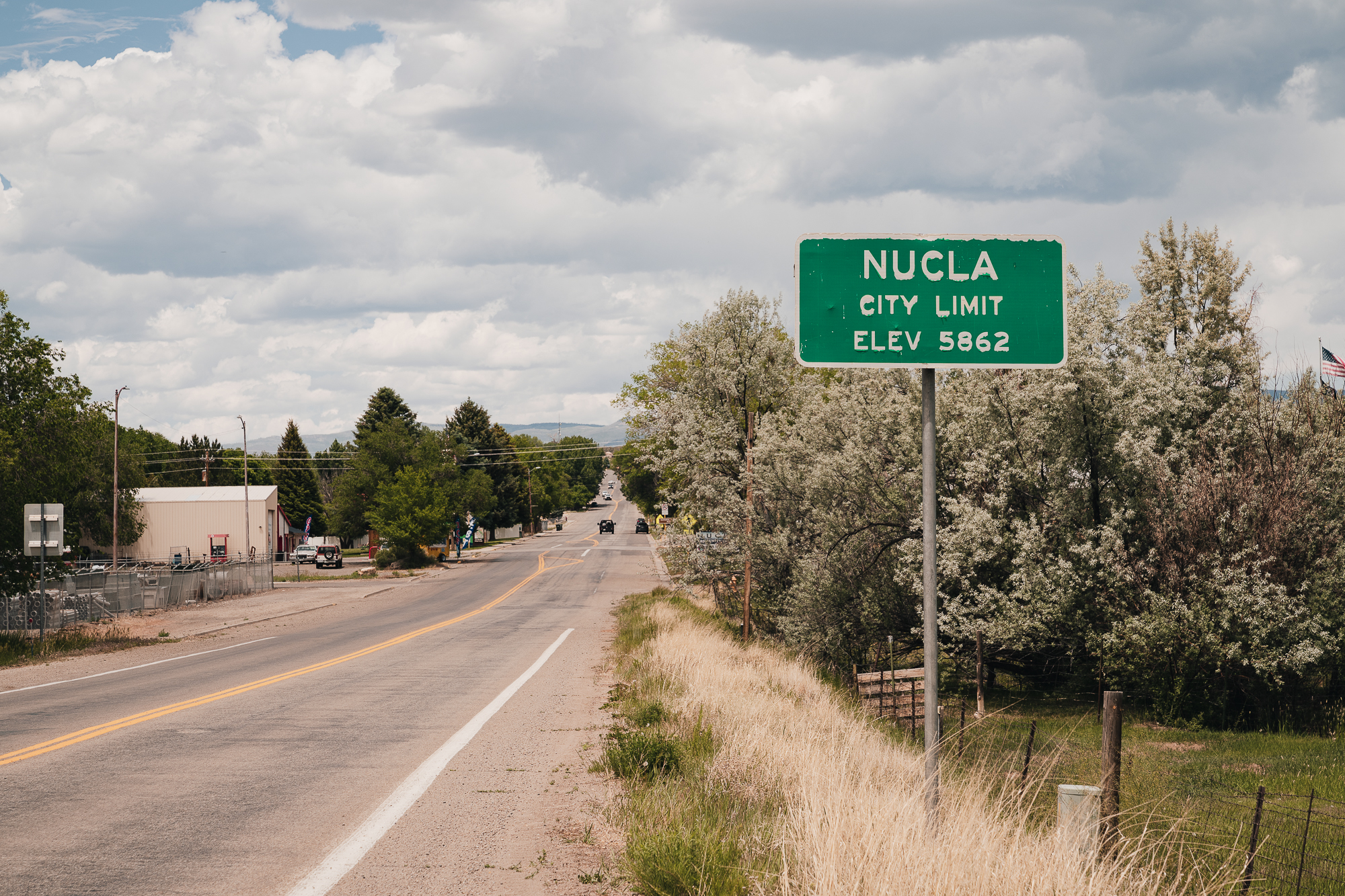
The West End has long existed outside Colorado’s more visible mountain narratives. Former mining towns, expansive high desert, and deep-rooted communities tell a quieter story — one shaped by adaptation rather than reinvention for reinvention’s sake.
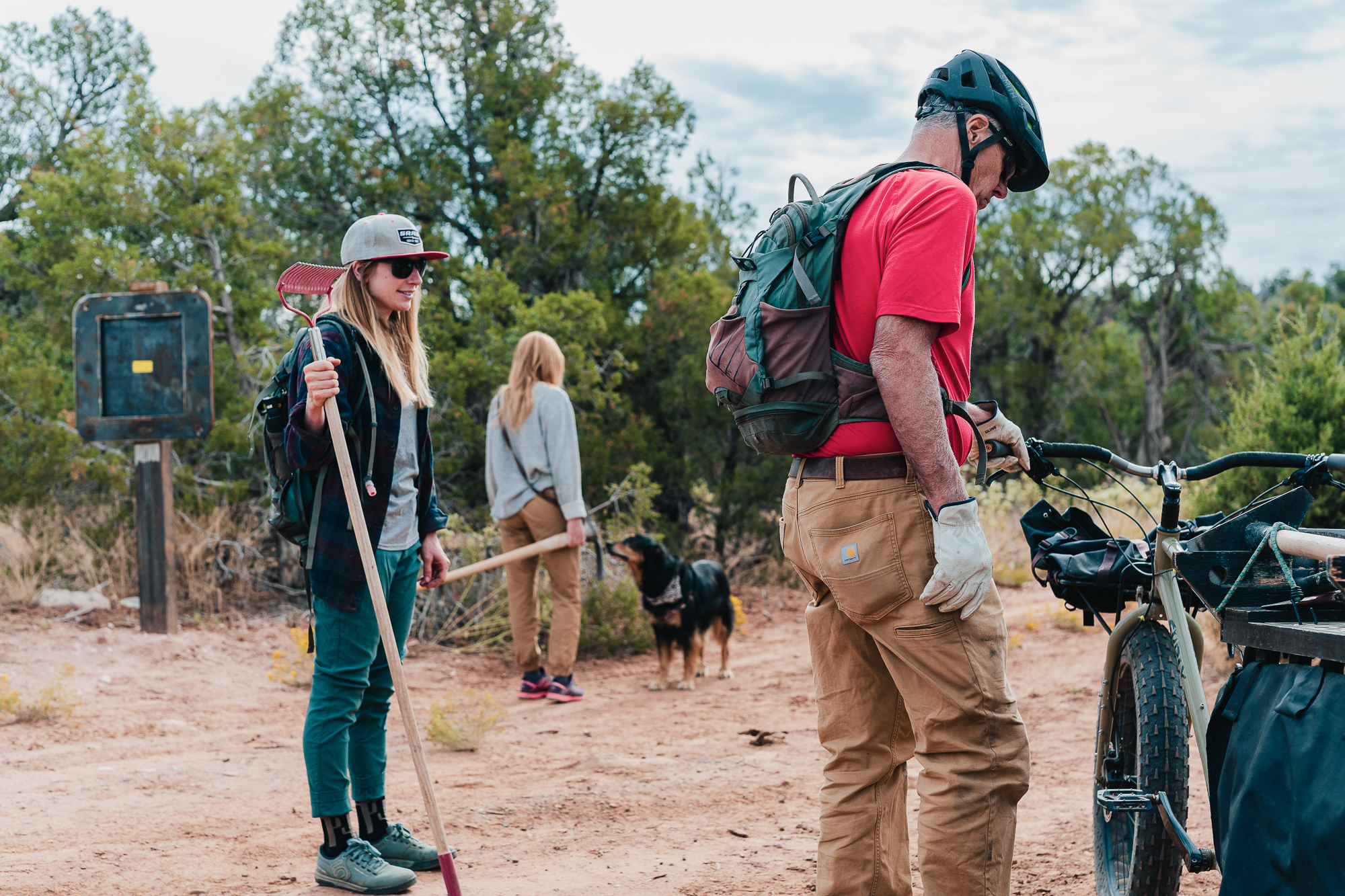
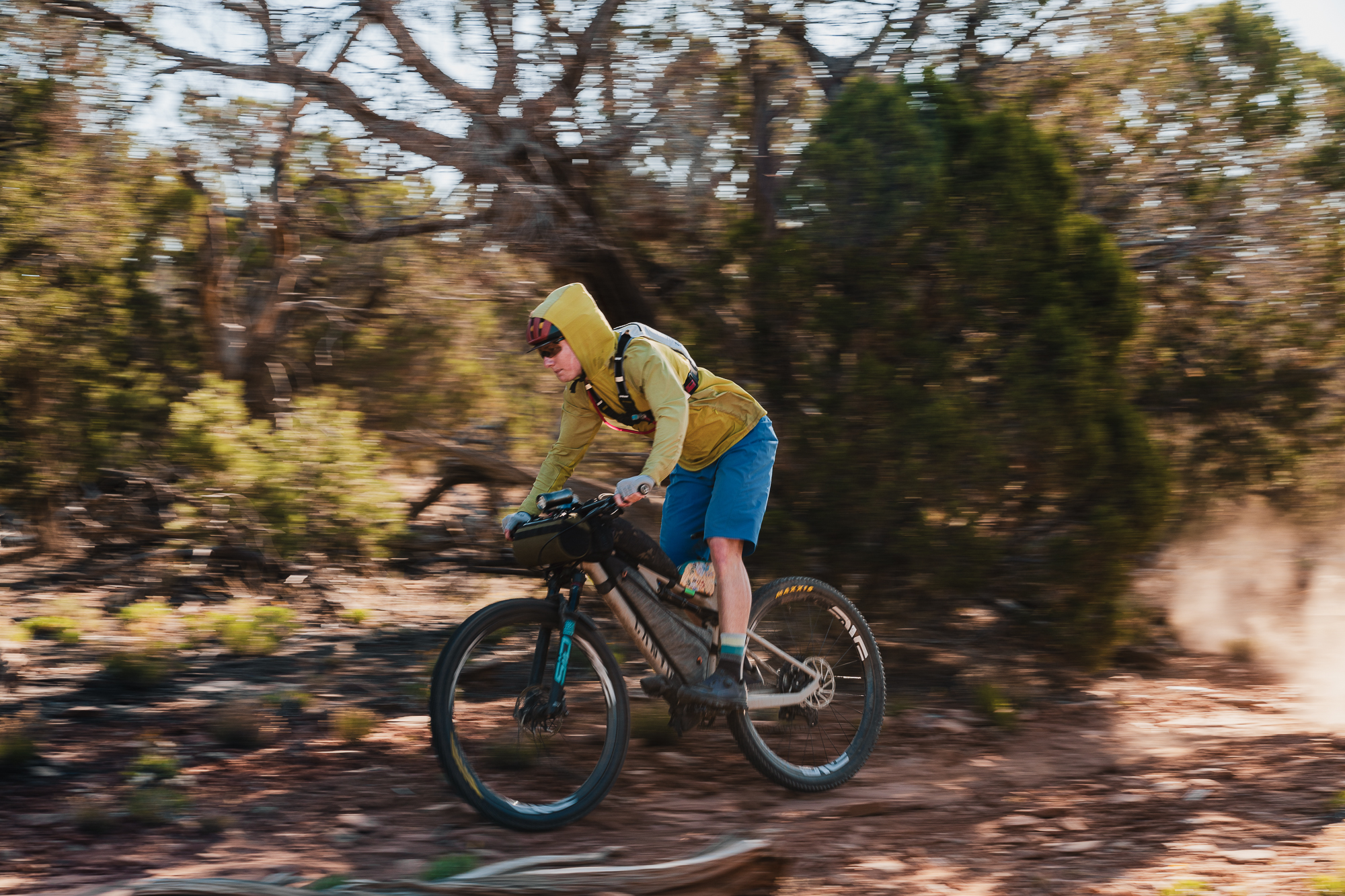
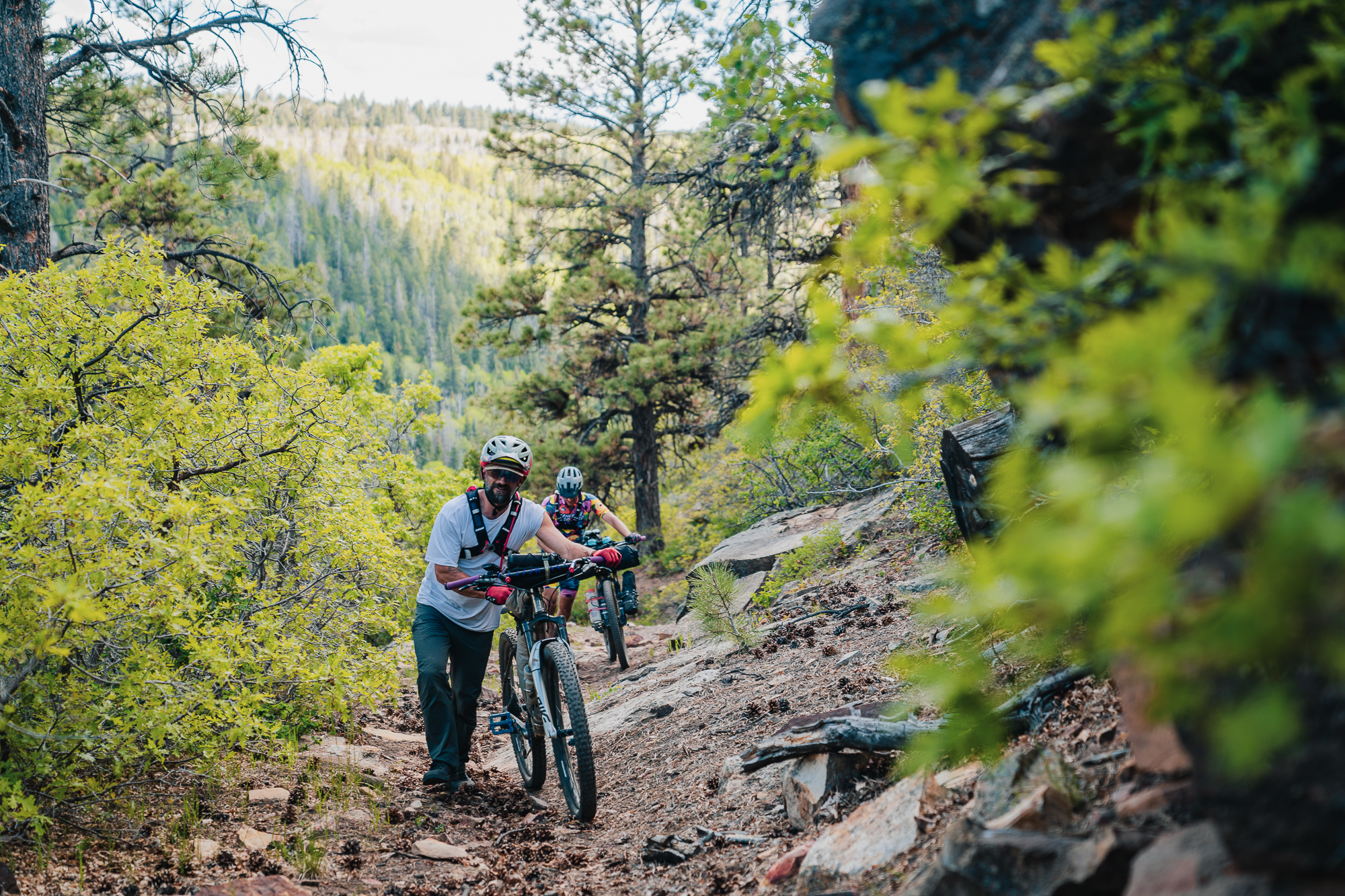
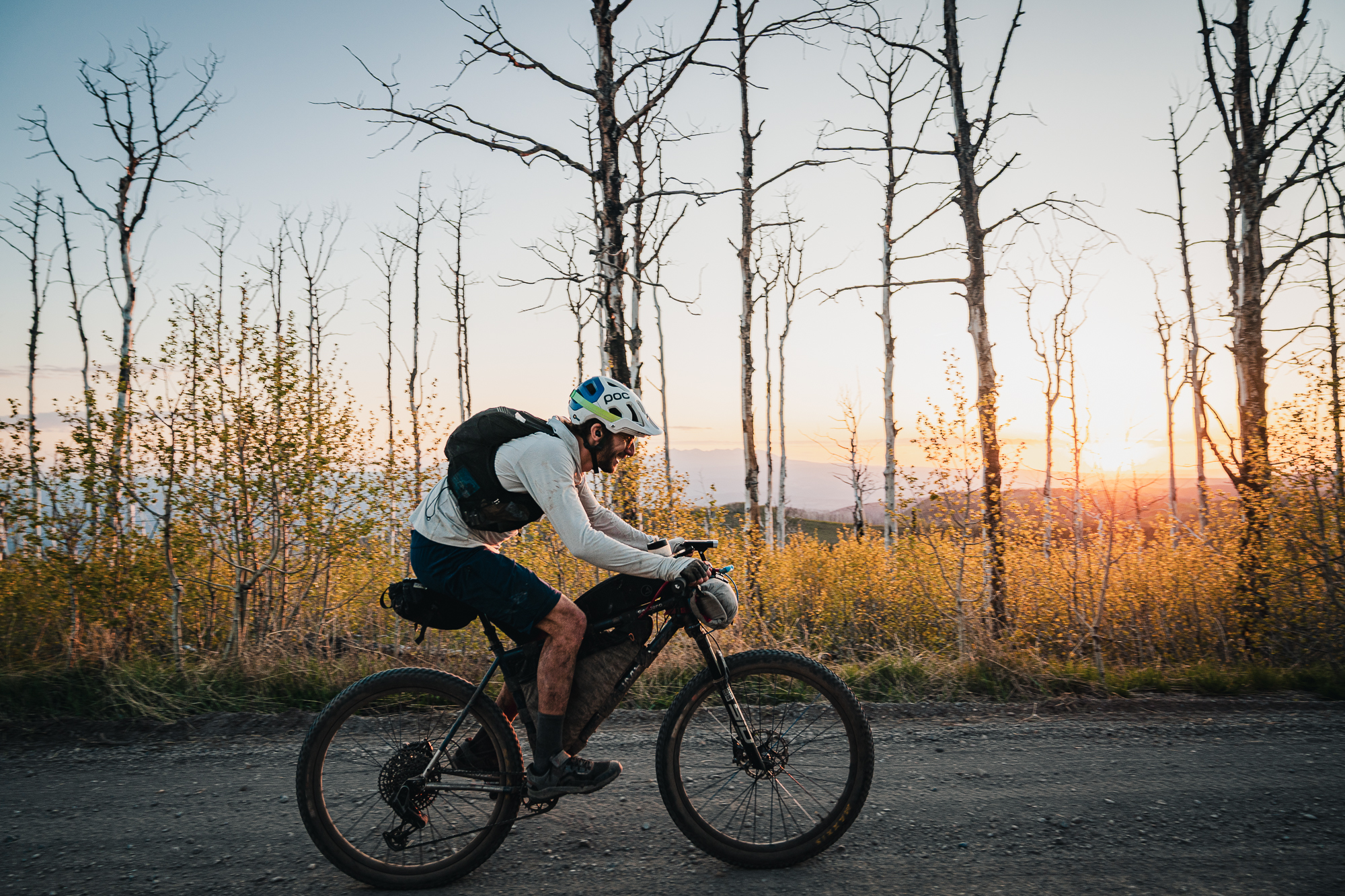
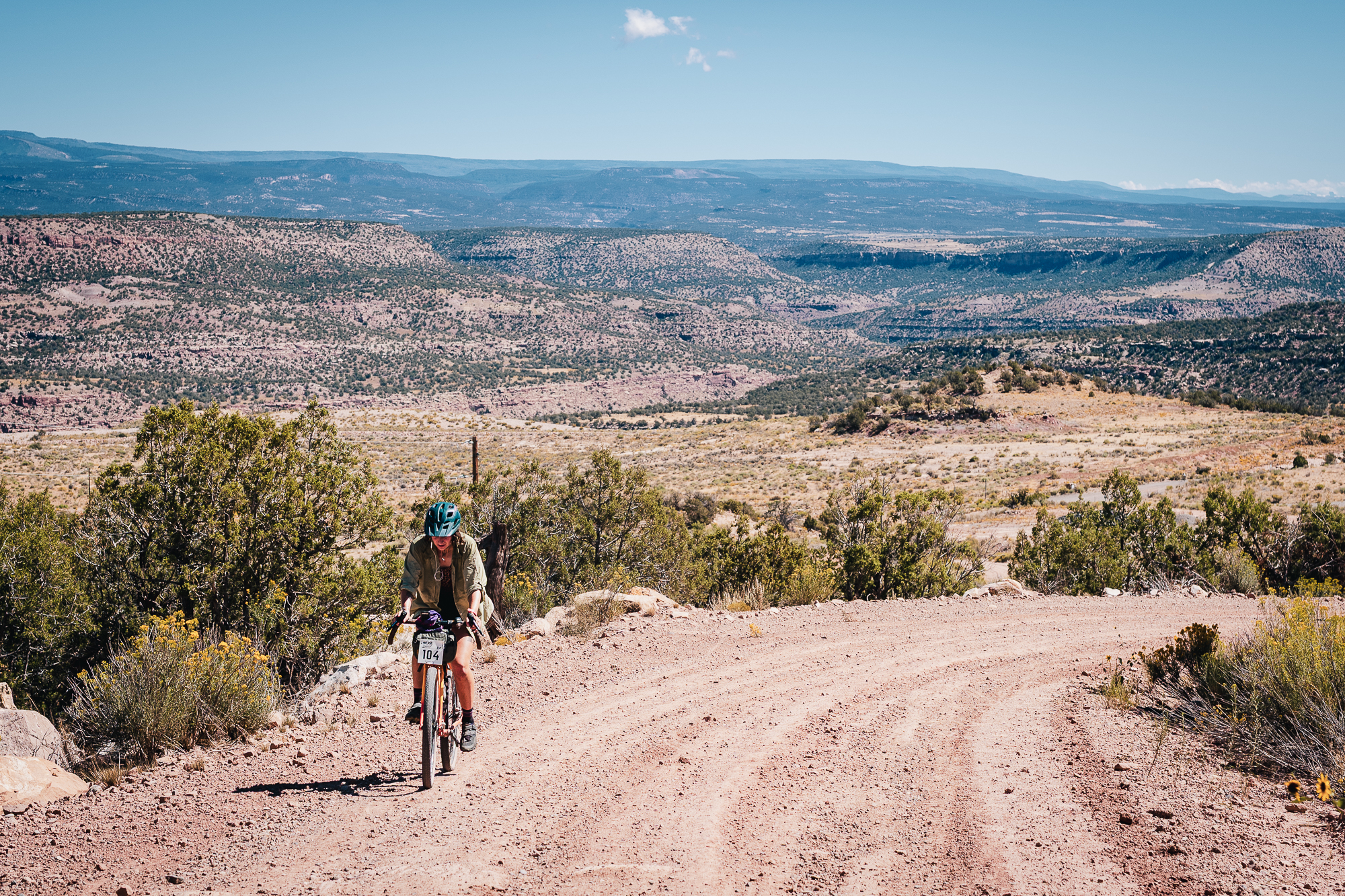
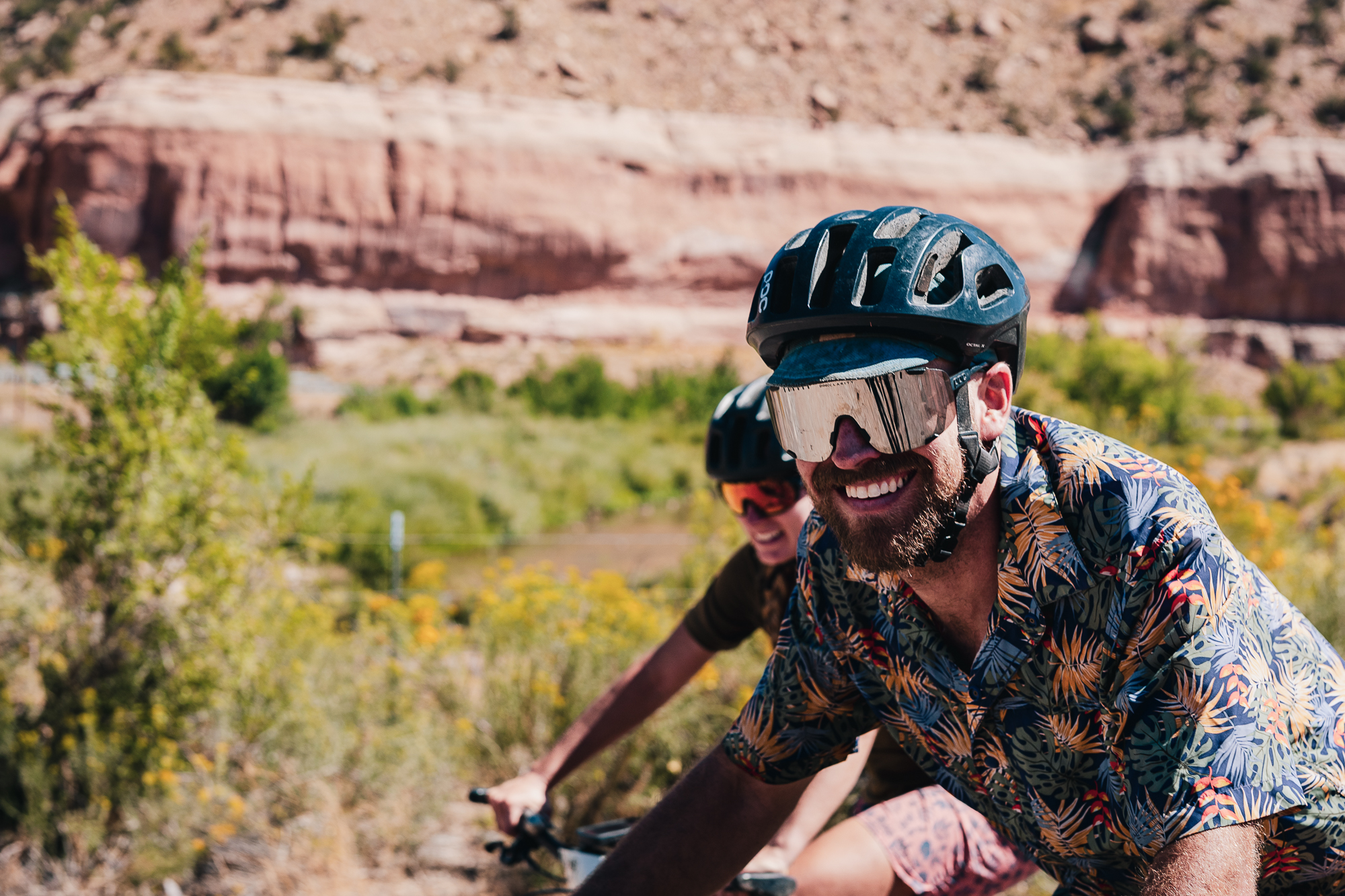
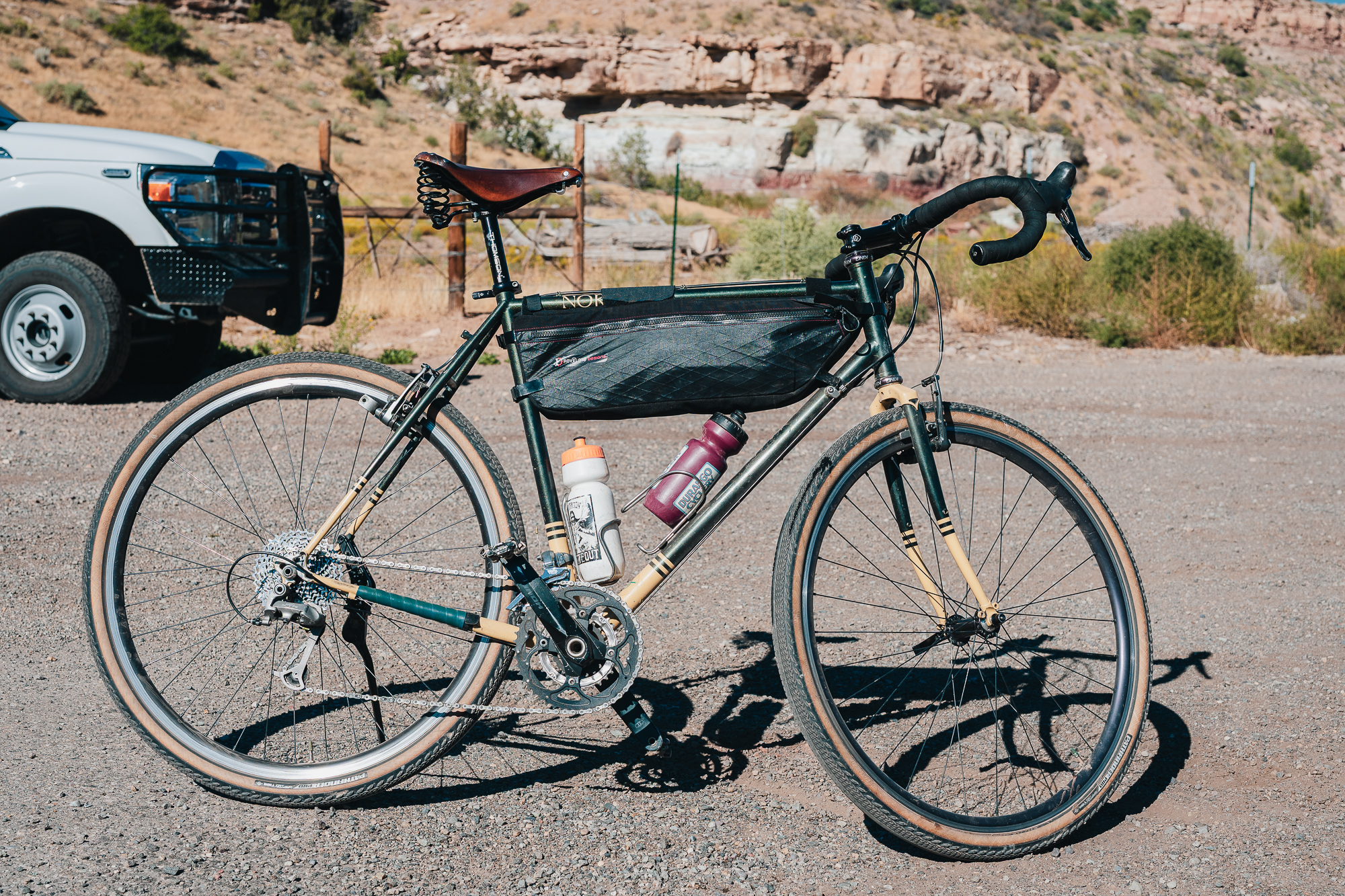
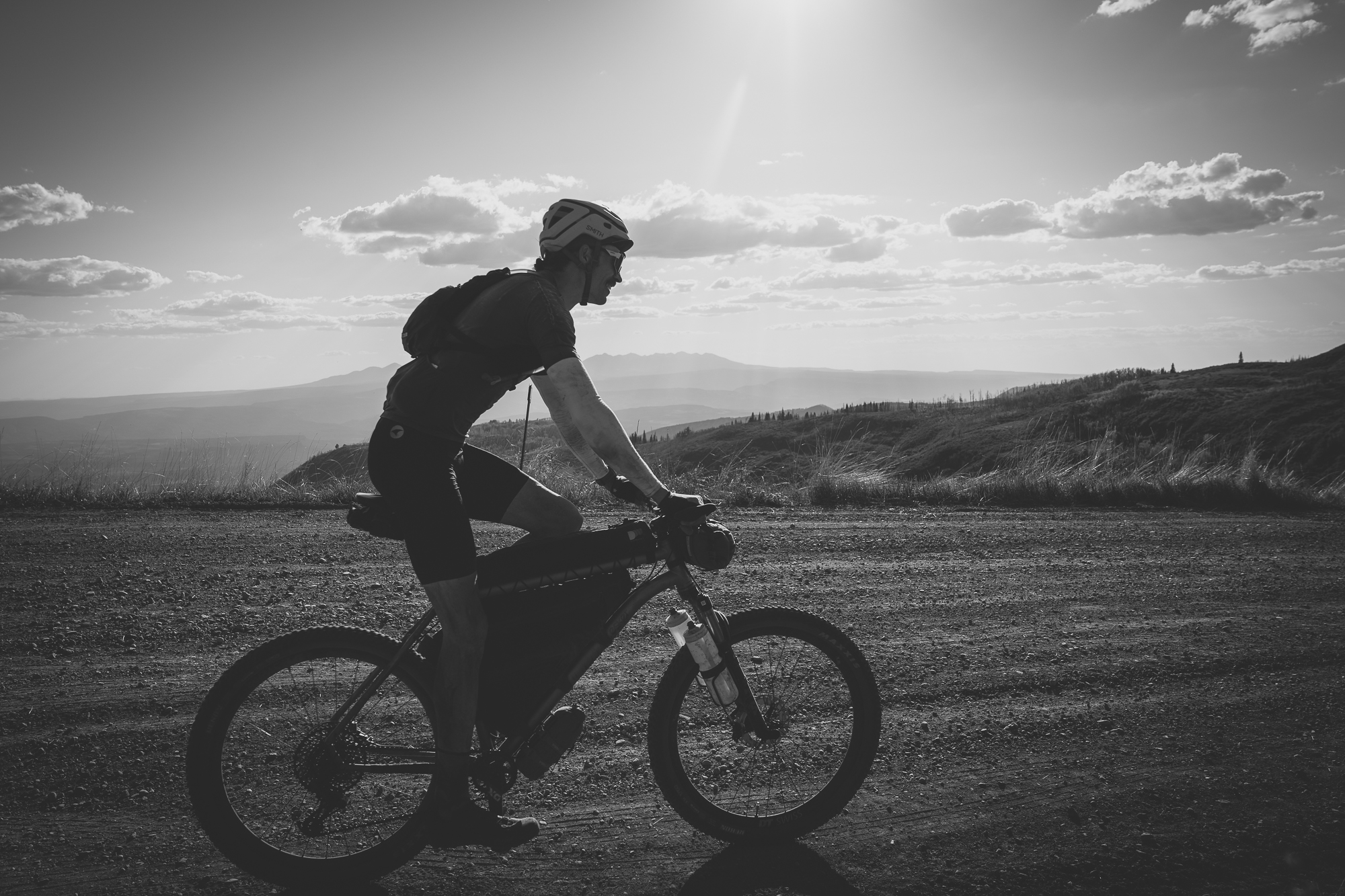
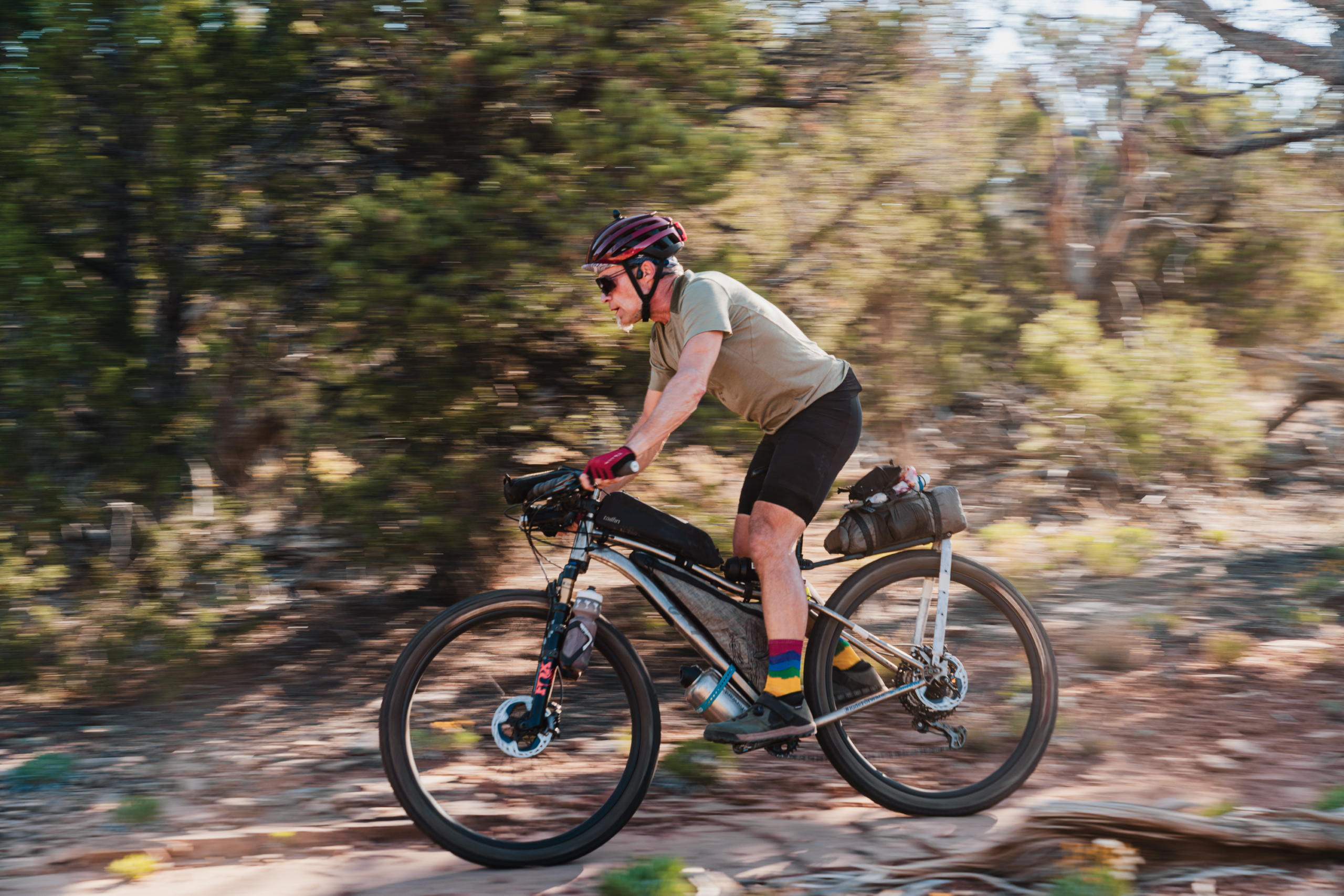
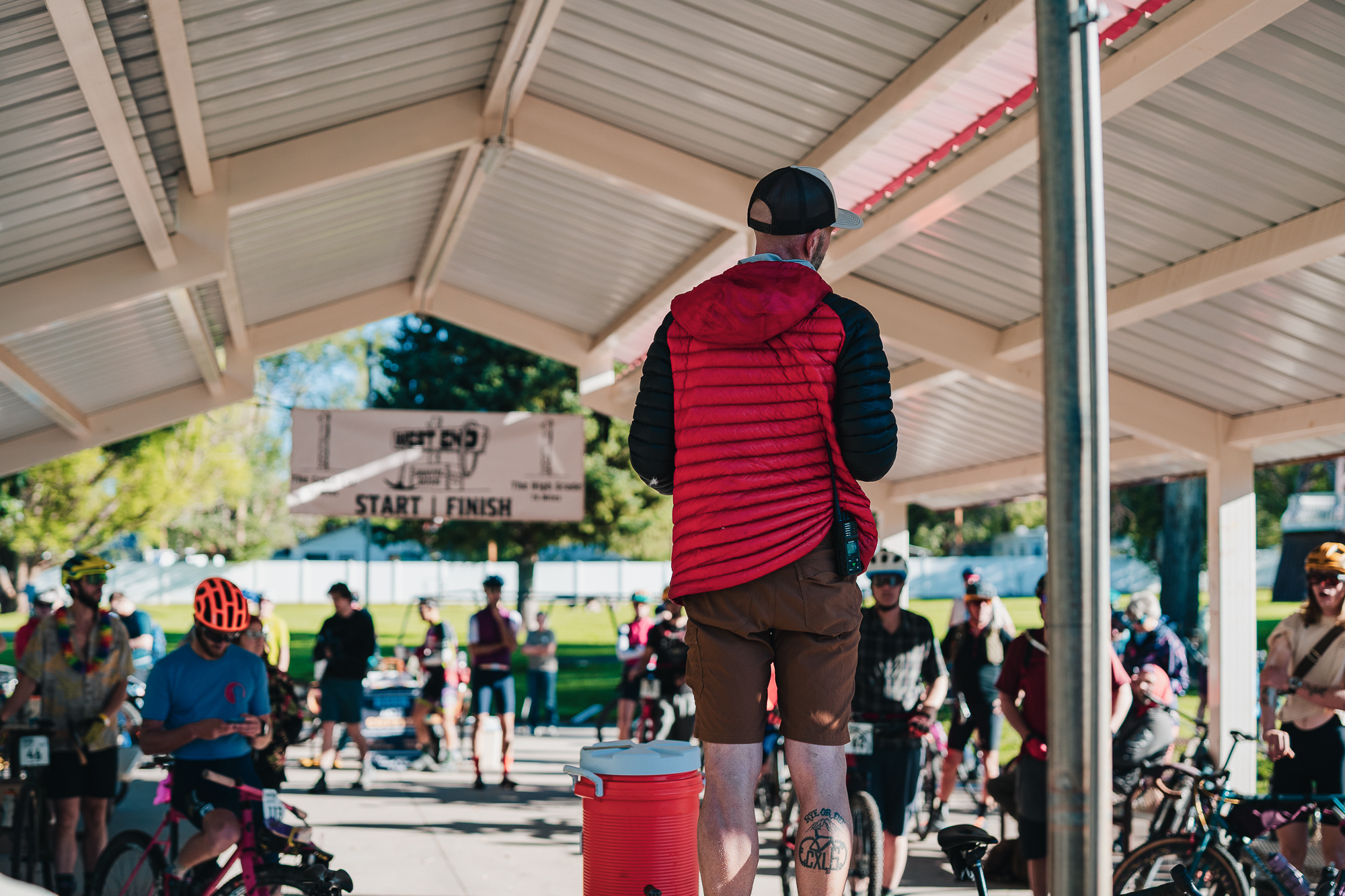
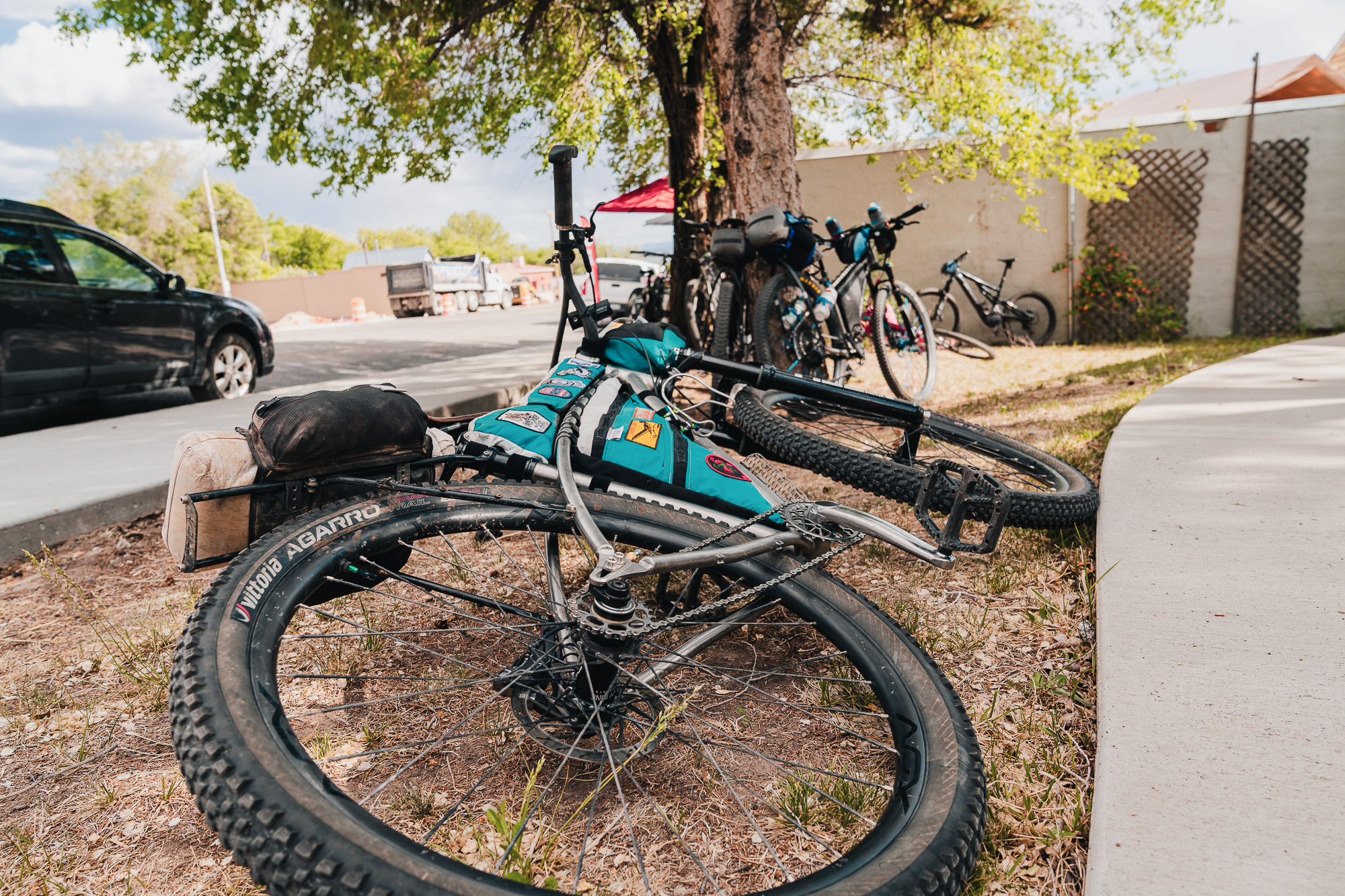
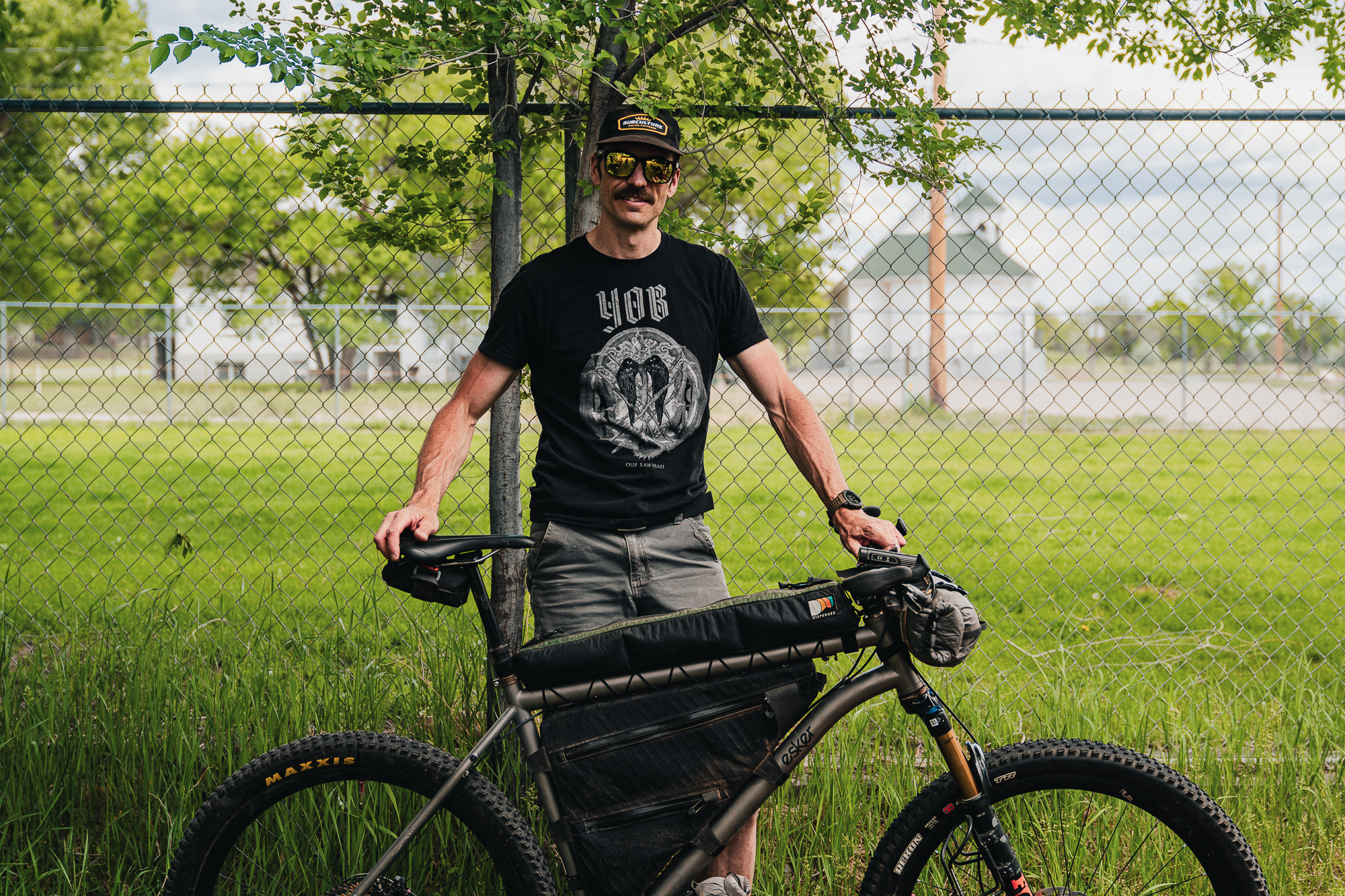
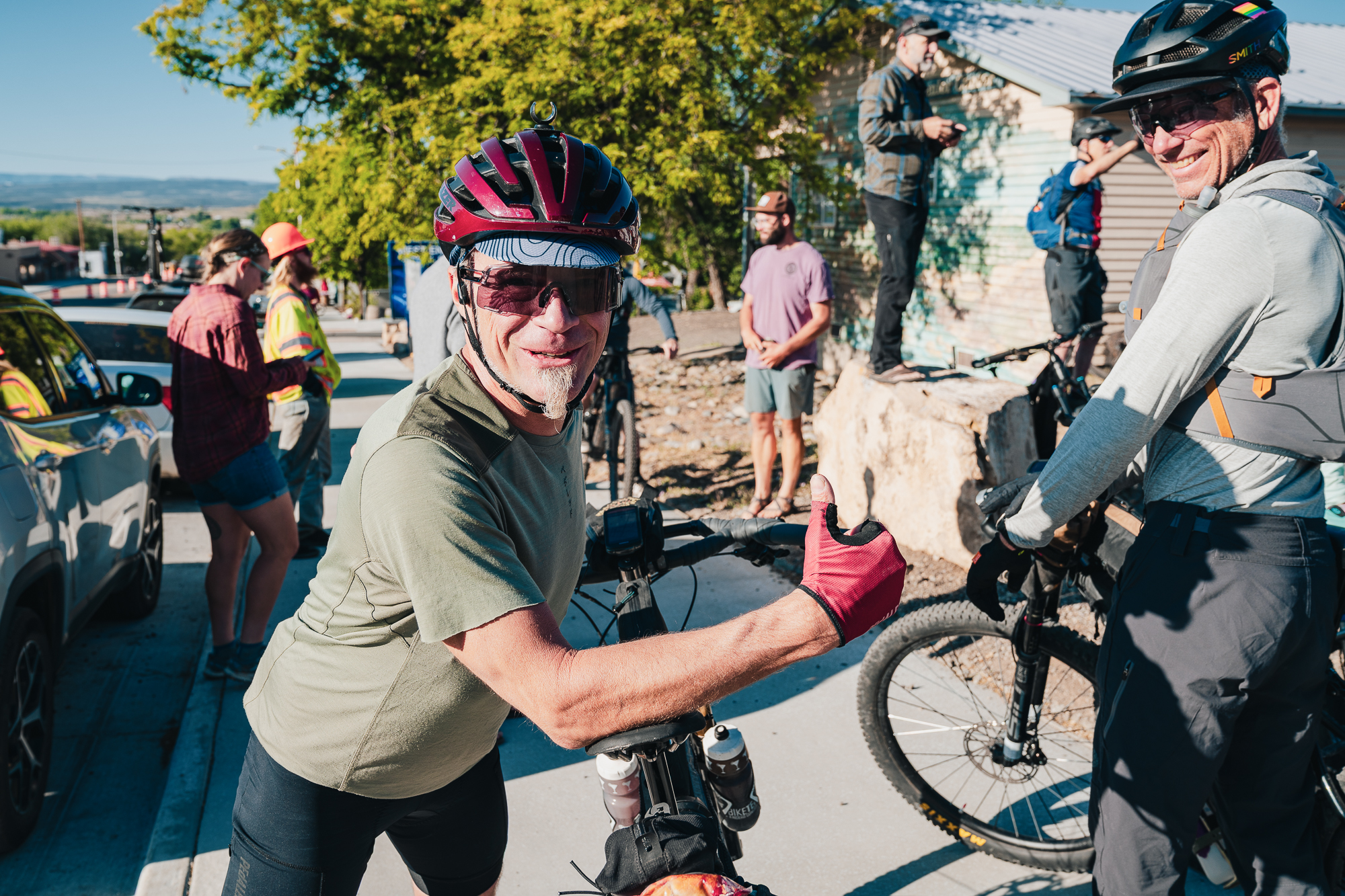
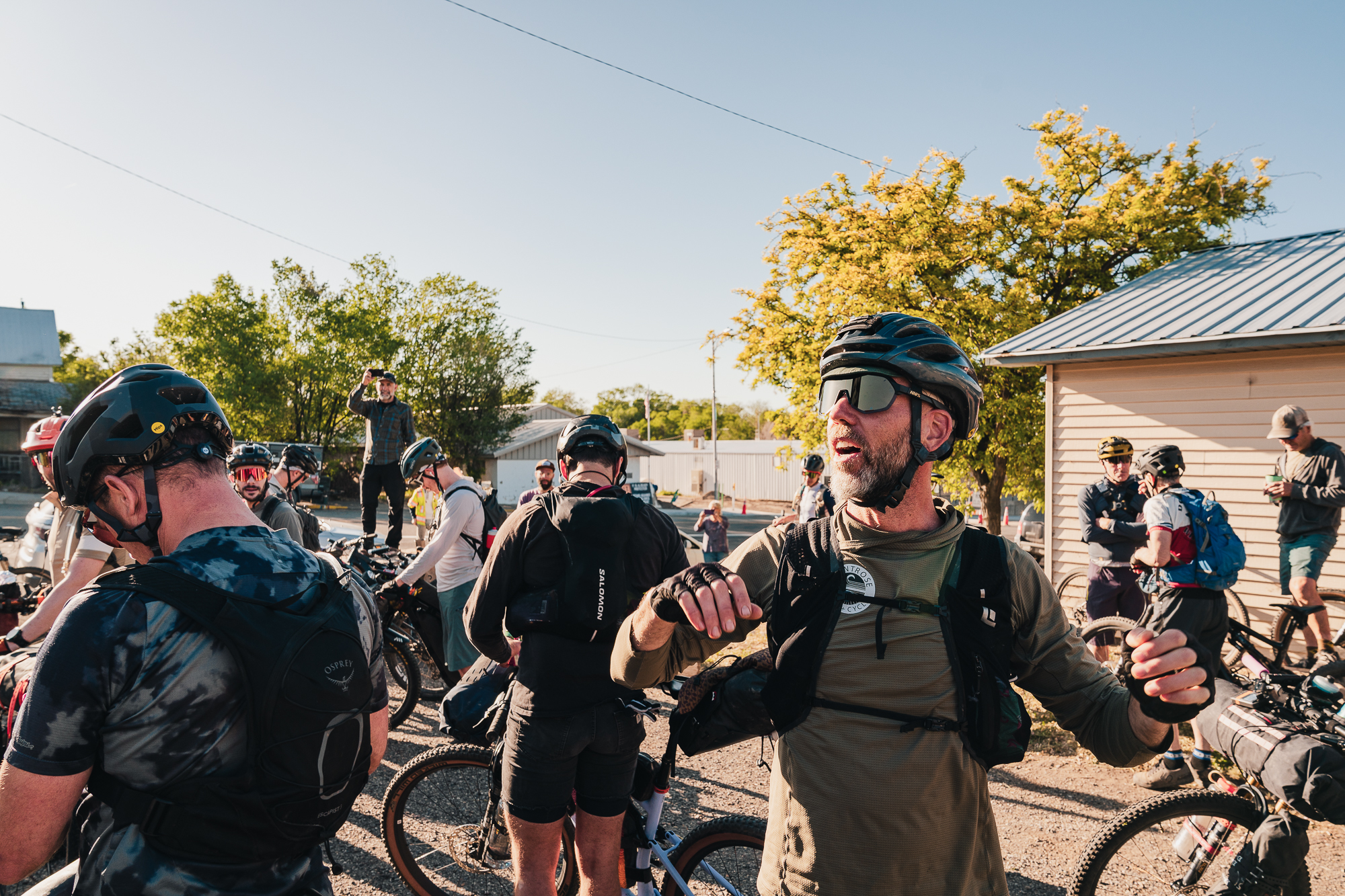
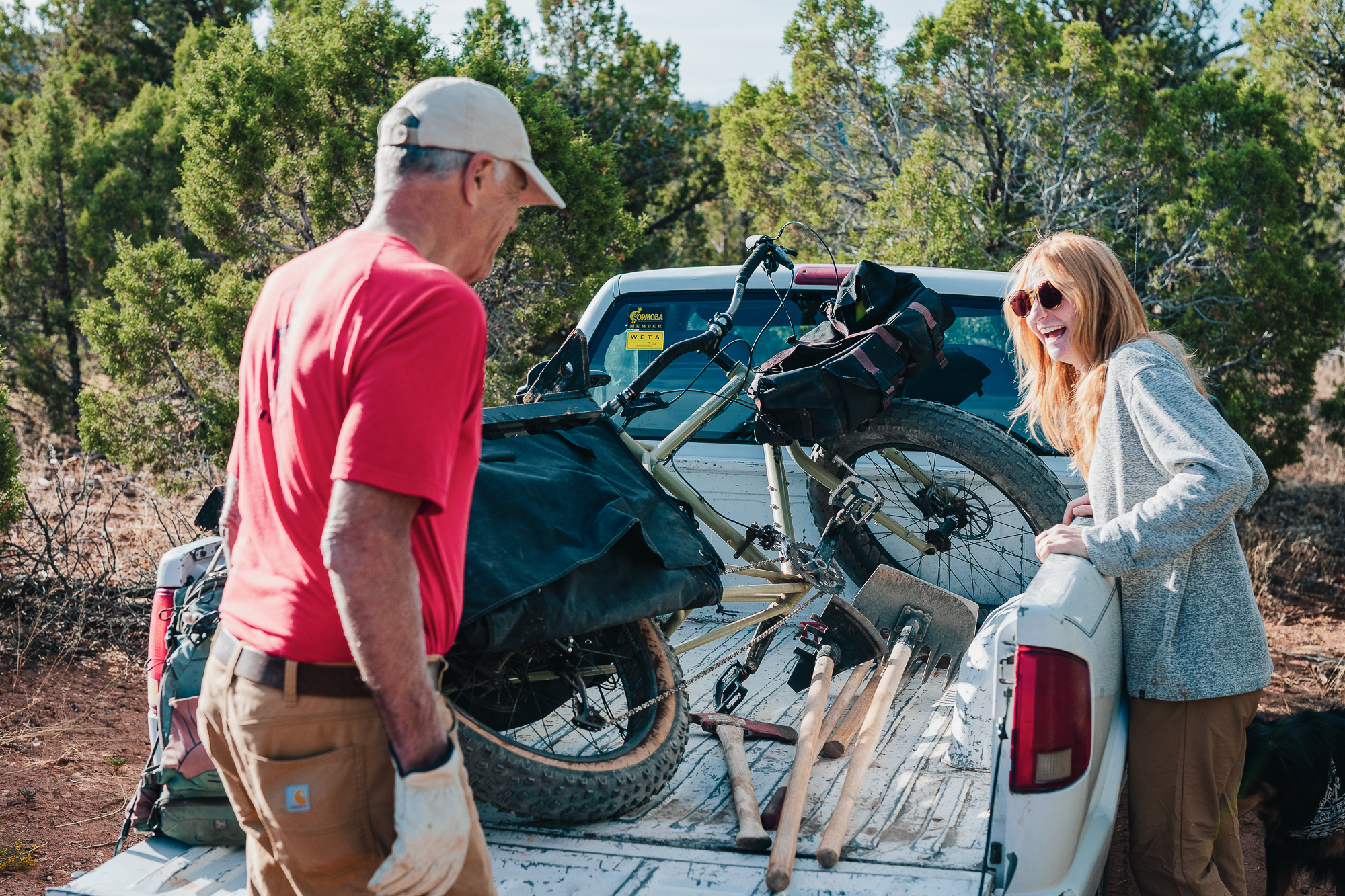
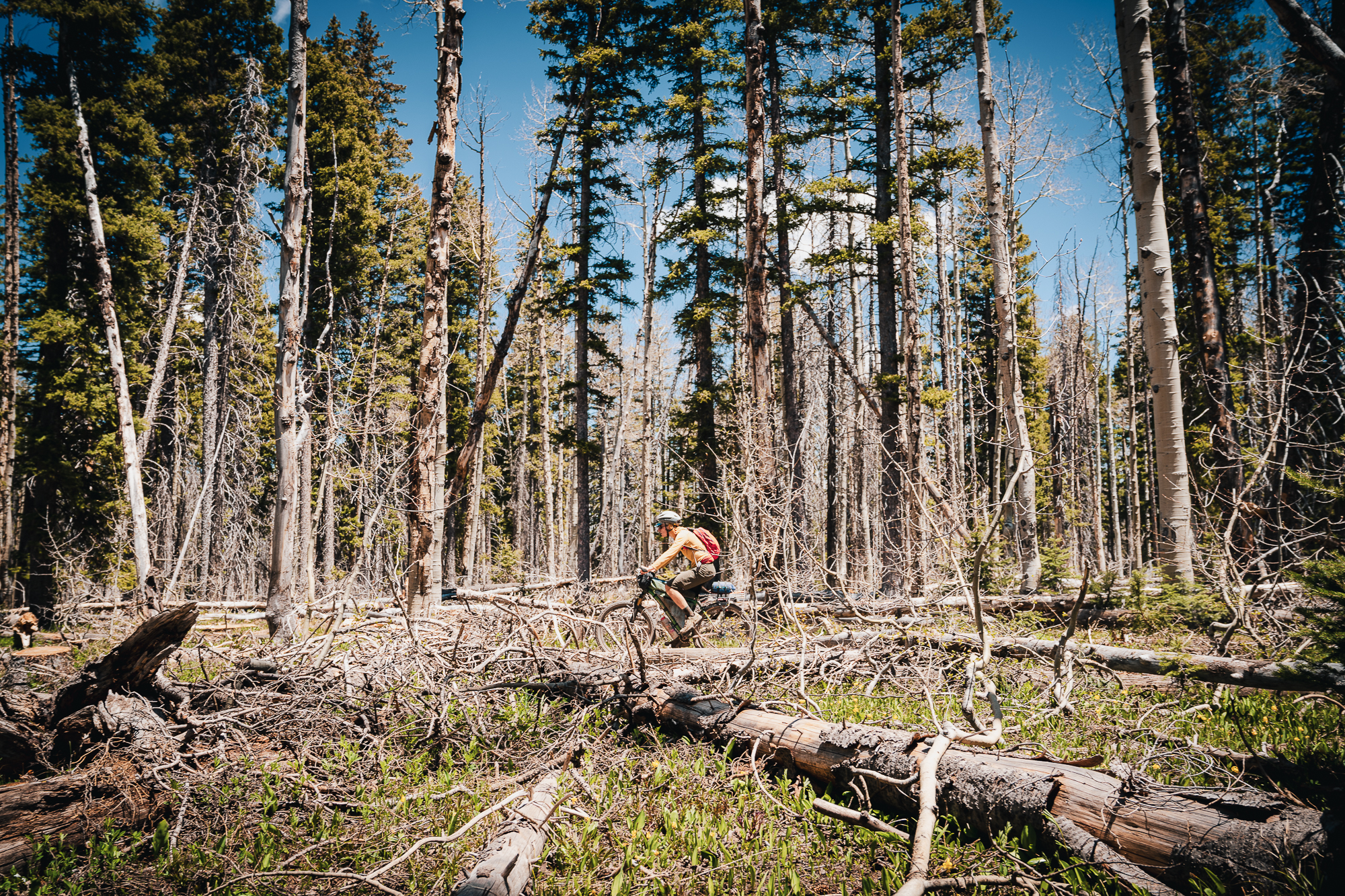
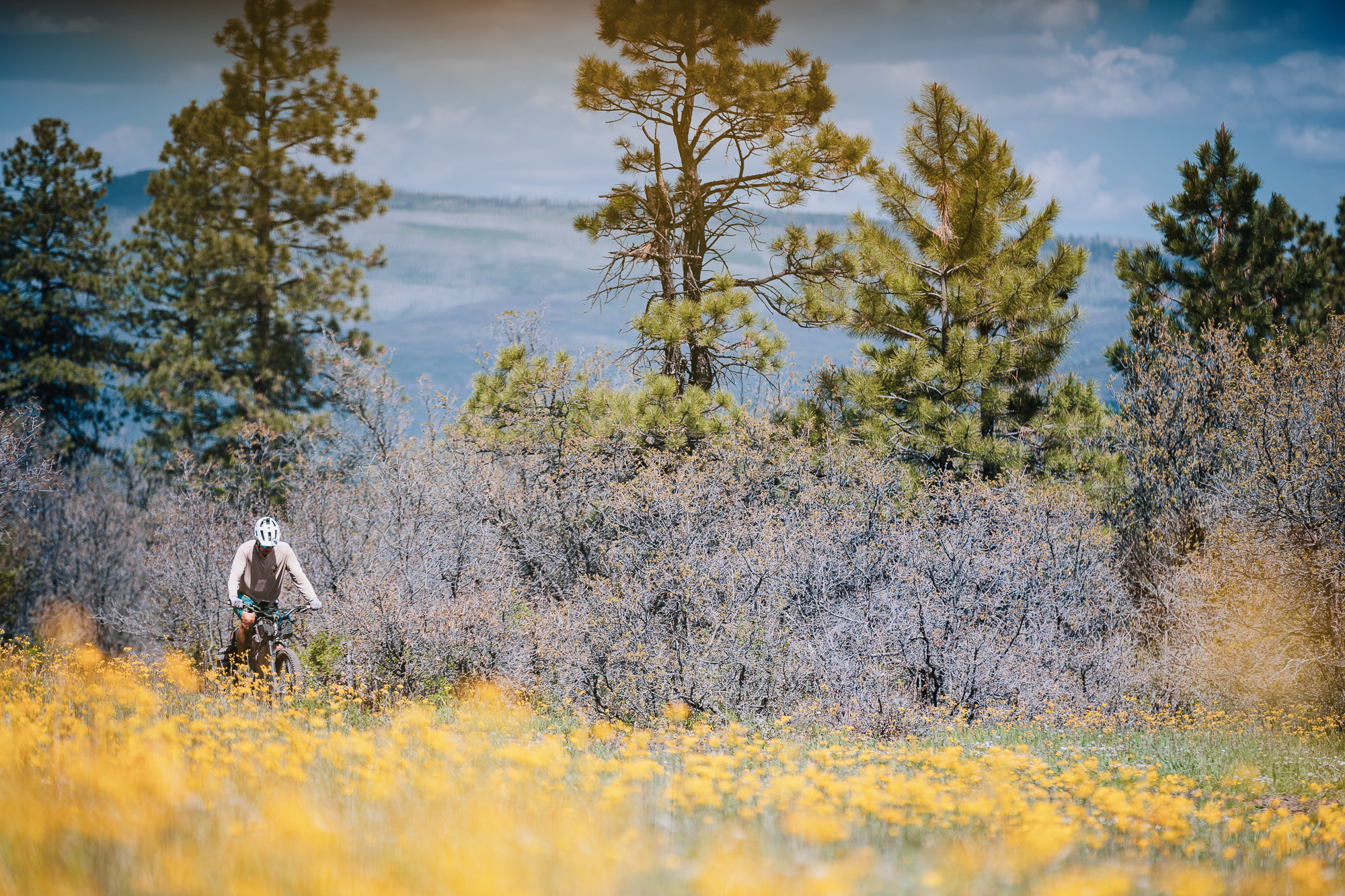
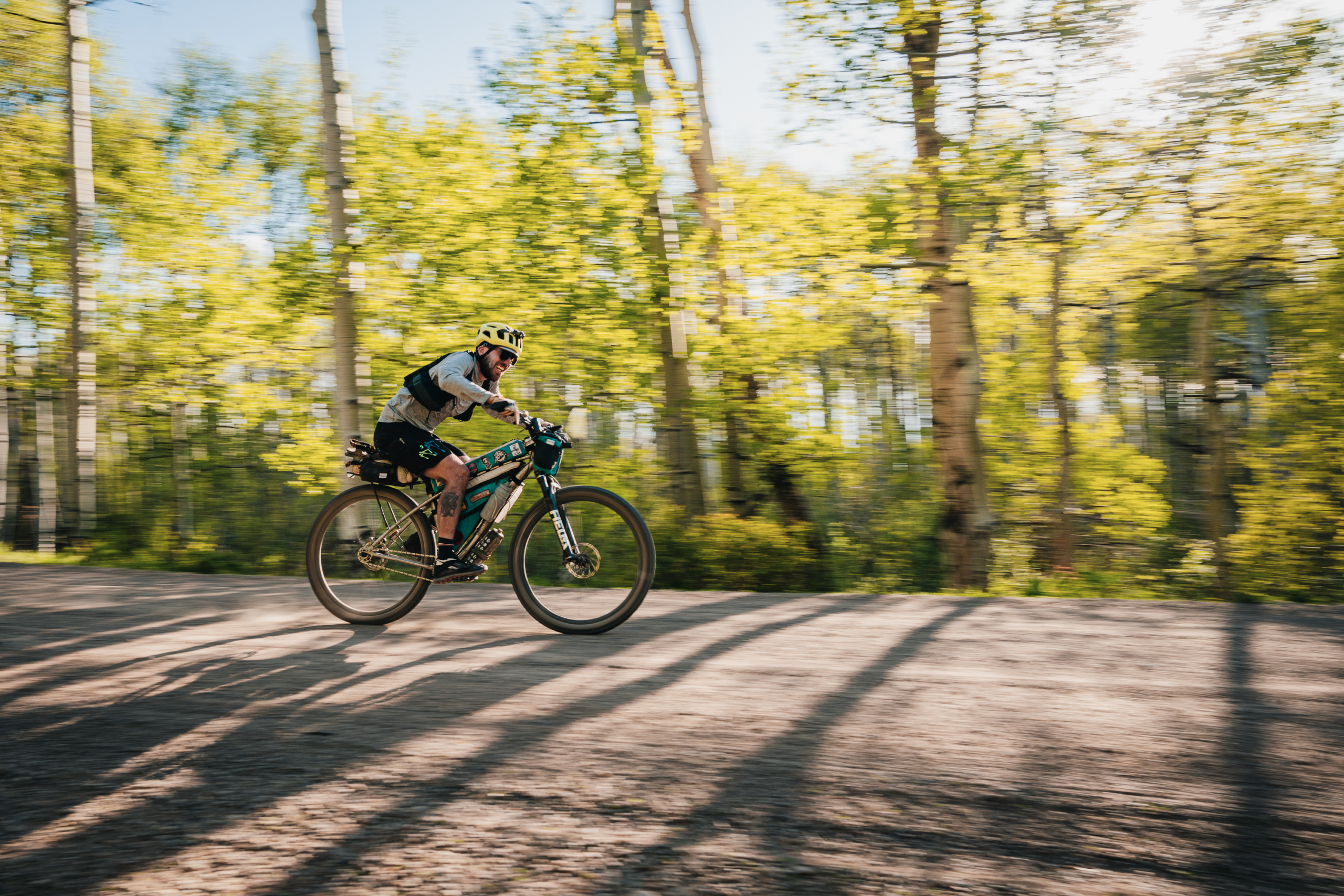
Time spent reporting and riding in the region revealed how trail systems, including routes connected by The Grand Loop, have played a role in reconnecting people to the landscape. These trails are not framed as solutions, but as connective tissue — linking past and present, locals and visitors, history and possibility.
“The West End isn’t trying to become something else. It’s learning how to carry its past forward.”
APPROACH
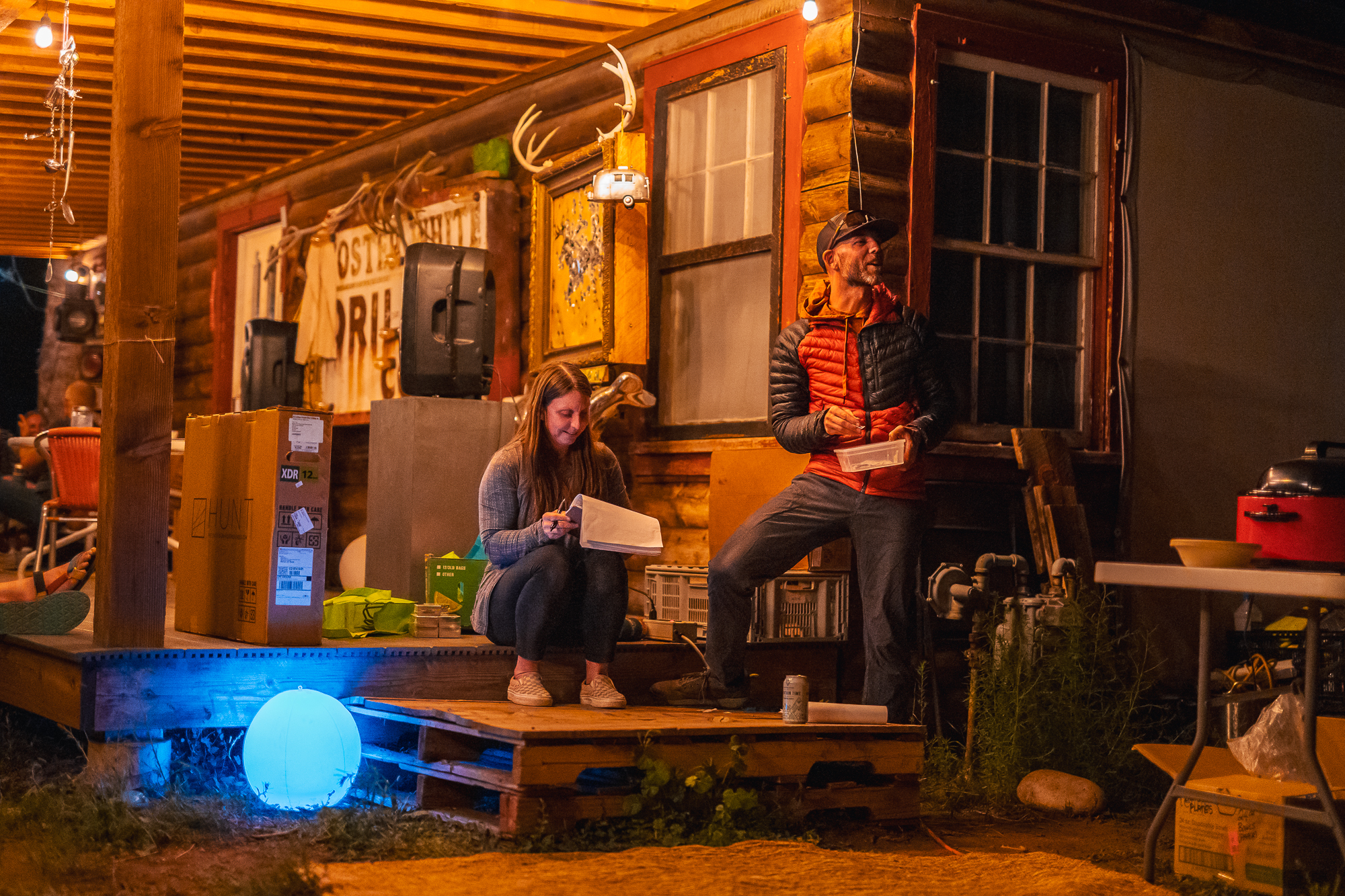
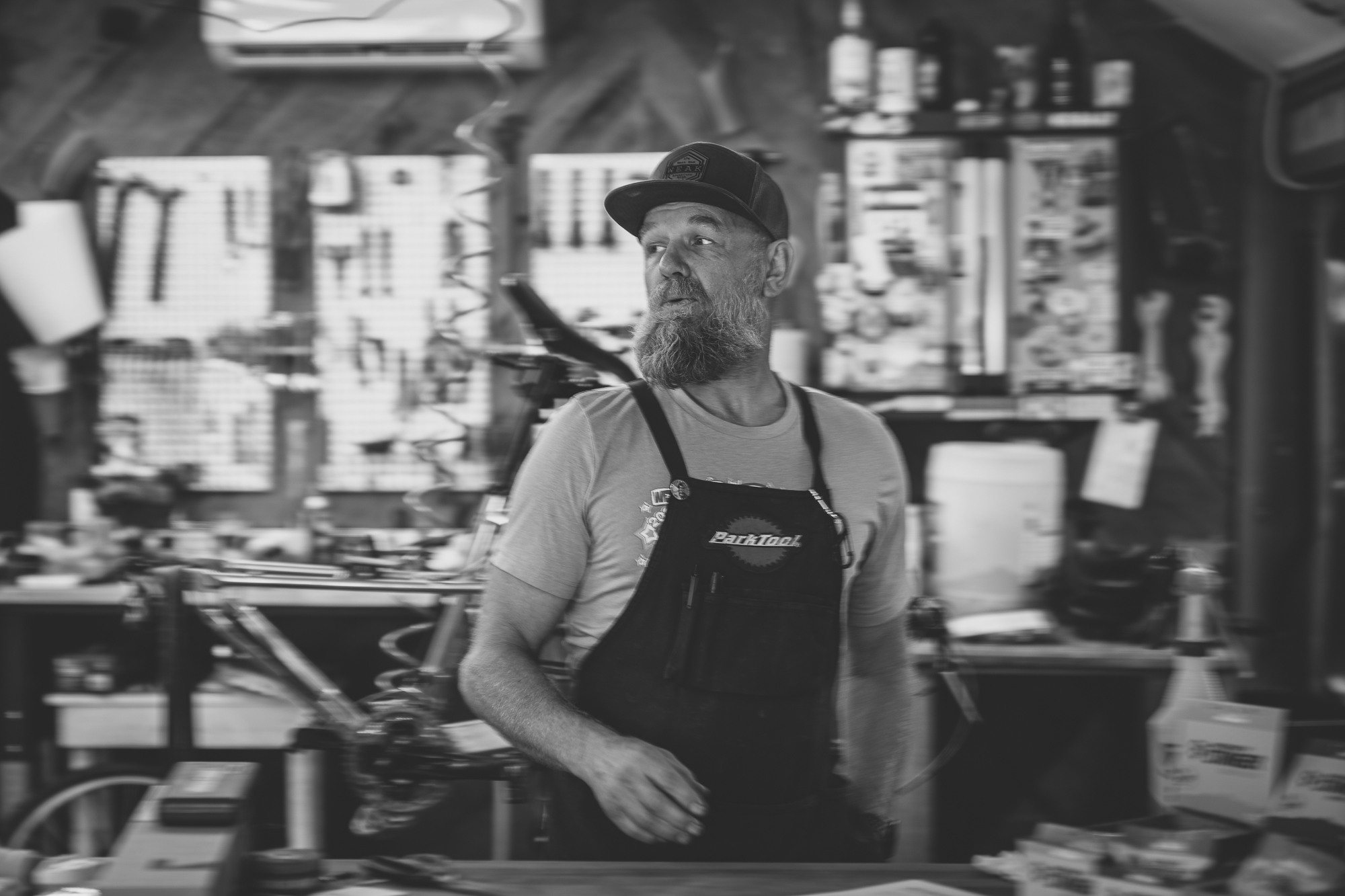
The film was built through listening first. Conversations with locals, trail builders, former miners, and community advocates shaped the narrative far more than pre-written outlines. The camera became a tool for presence rather than performance — capturing moments of honesty, reflection, and pride in everyday work.
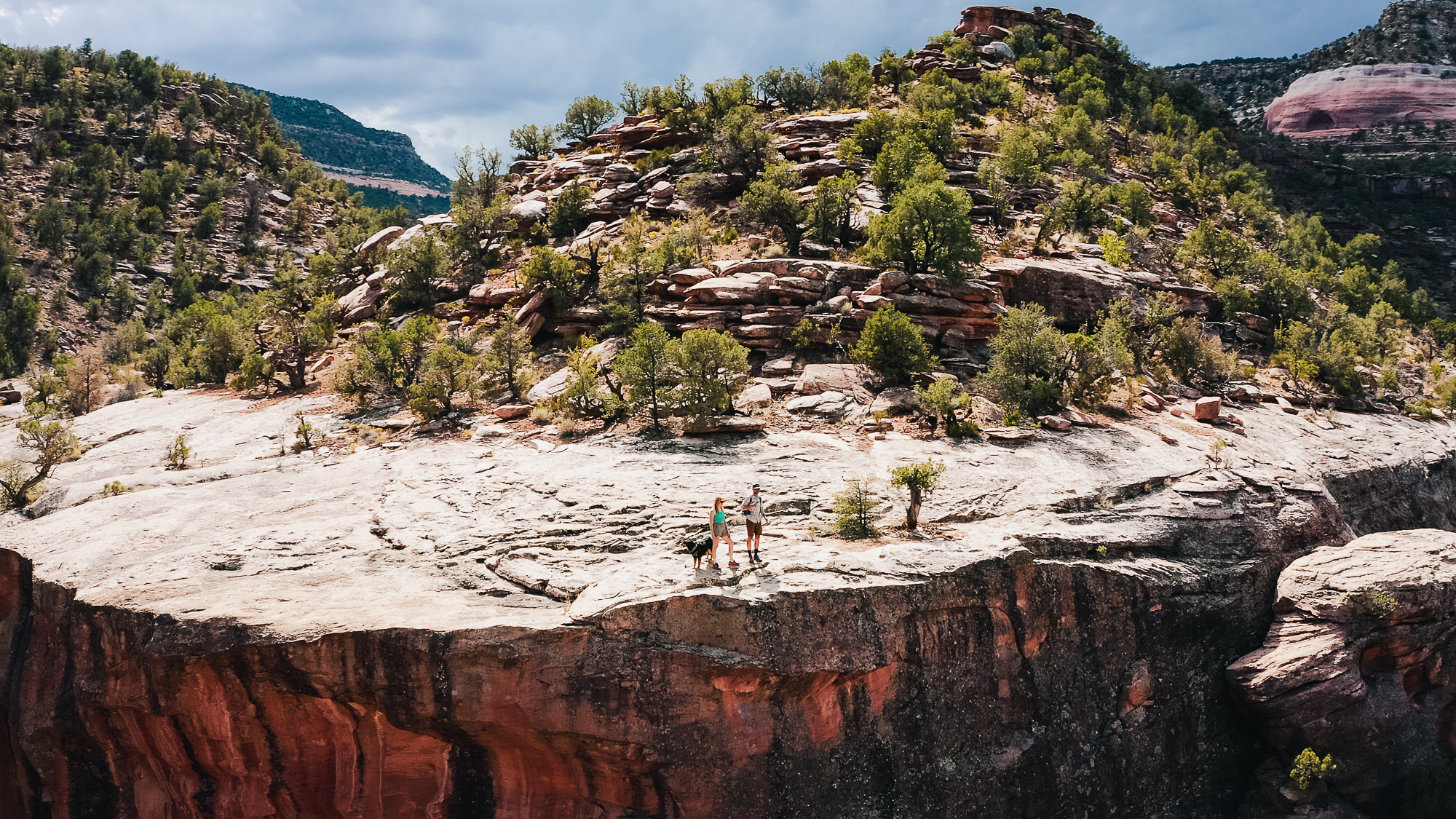
Visually, the landscape was treated as an active force. Mesas, canyons, and high desert towns are presented not as scenery, but as elements that influence how people live, work, and relate to one another. The pace of the film mirrors the region itself — patient, deliberate, and grounded.
“This film wasn’t about documenting a place. It was about spending enough time there to let it speak.”
IMPACT
Echoes of the West End offers a counterpoint to fast, consumption-driven outdoor narratives. It invites viewers to slow down and consider what it means to belong to a place, to care for it, and to participate in its future without erasing its past.
The film has helped surface conversations around stewardship, community identity, and the role of outdoor recreation in regions defined by more than a single chapter of history.
RELATED WRITING
Echoes of the West End — The Radavist HERE
The Grand Loop and the Rebirth of Colorado’s West End — The Radavist HERE